
Jan 15, 2020
Architecture Photoblog – Hampi, Pattadhakal & Badami
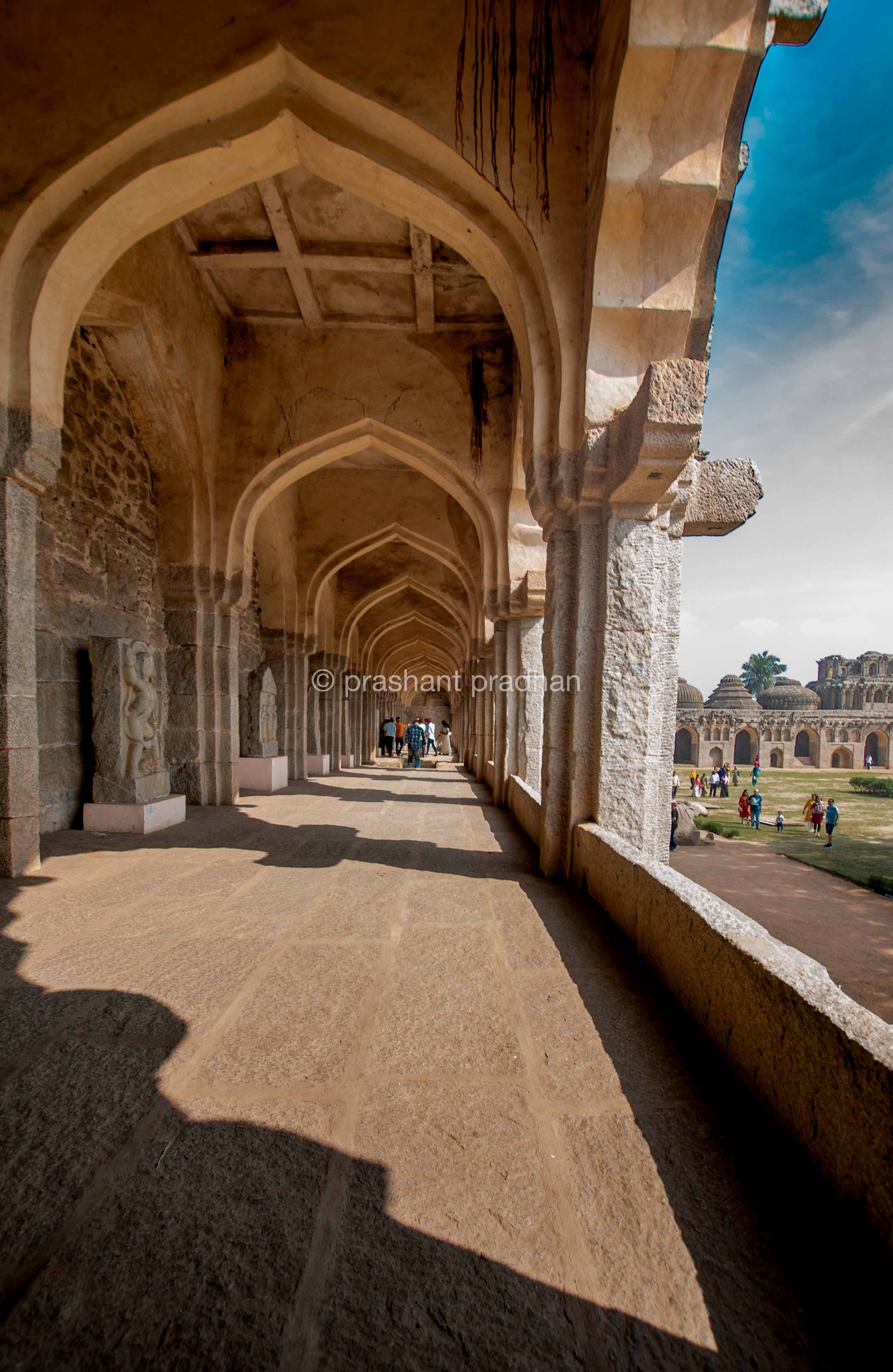
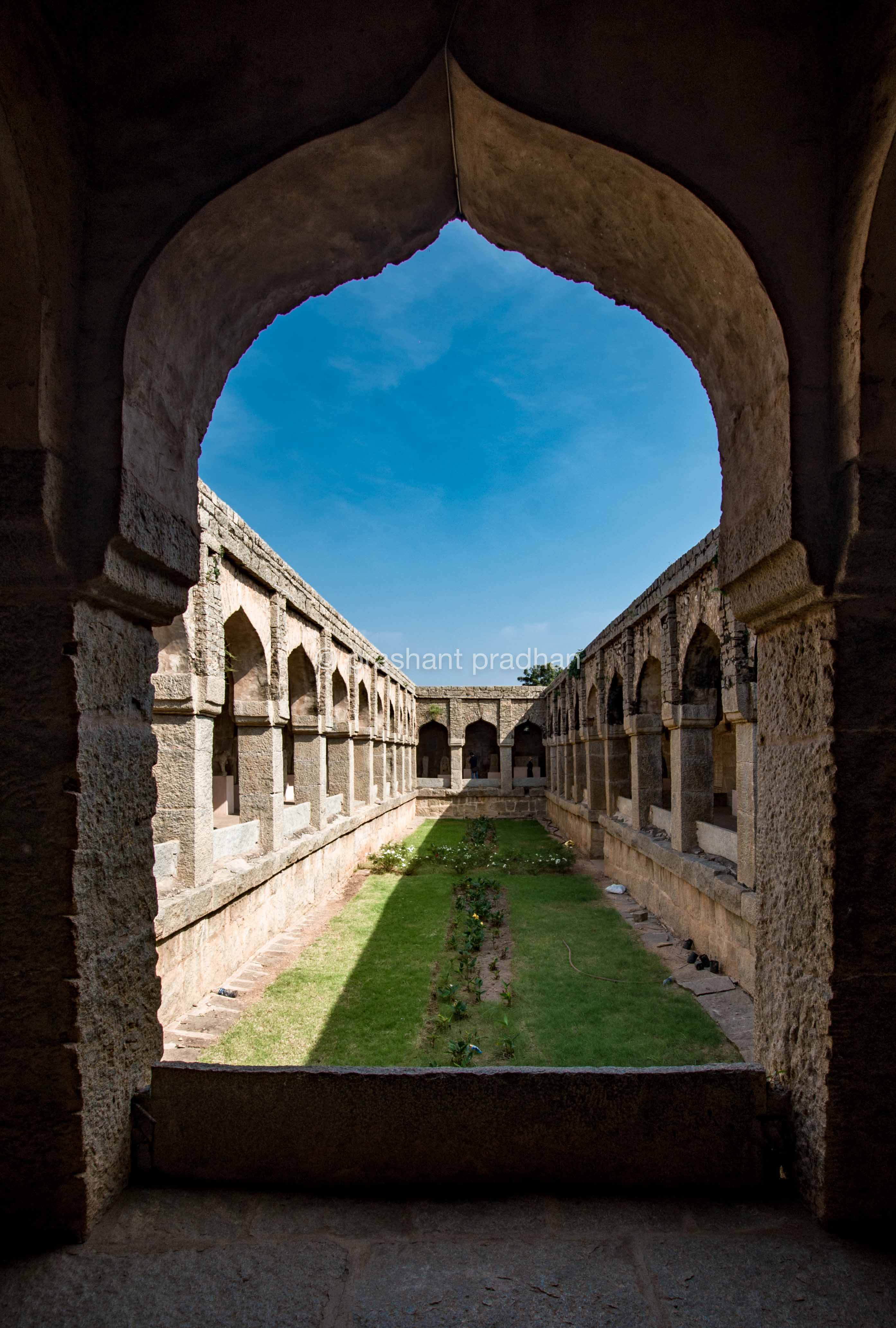
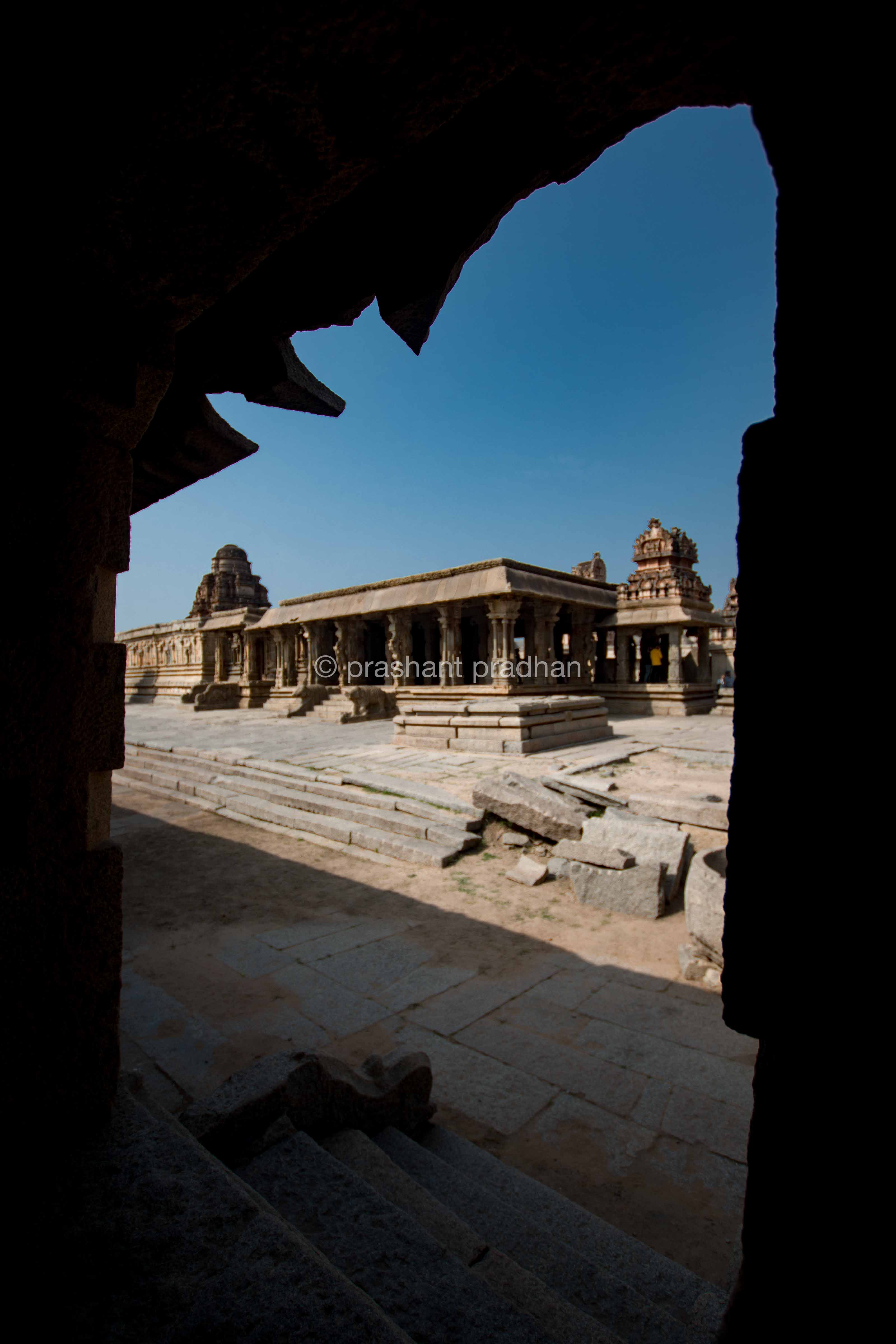
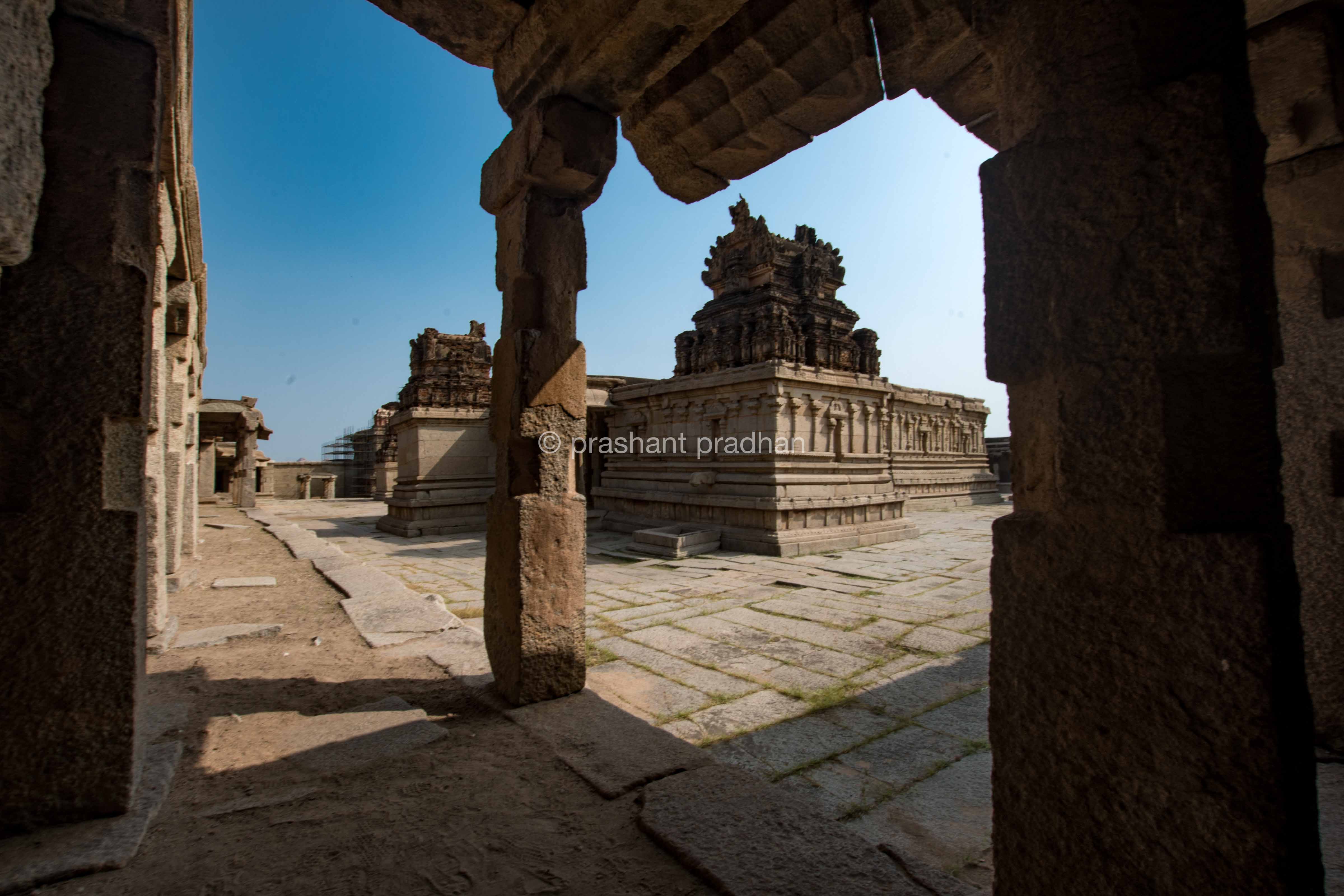
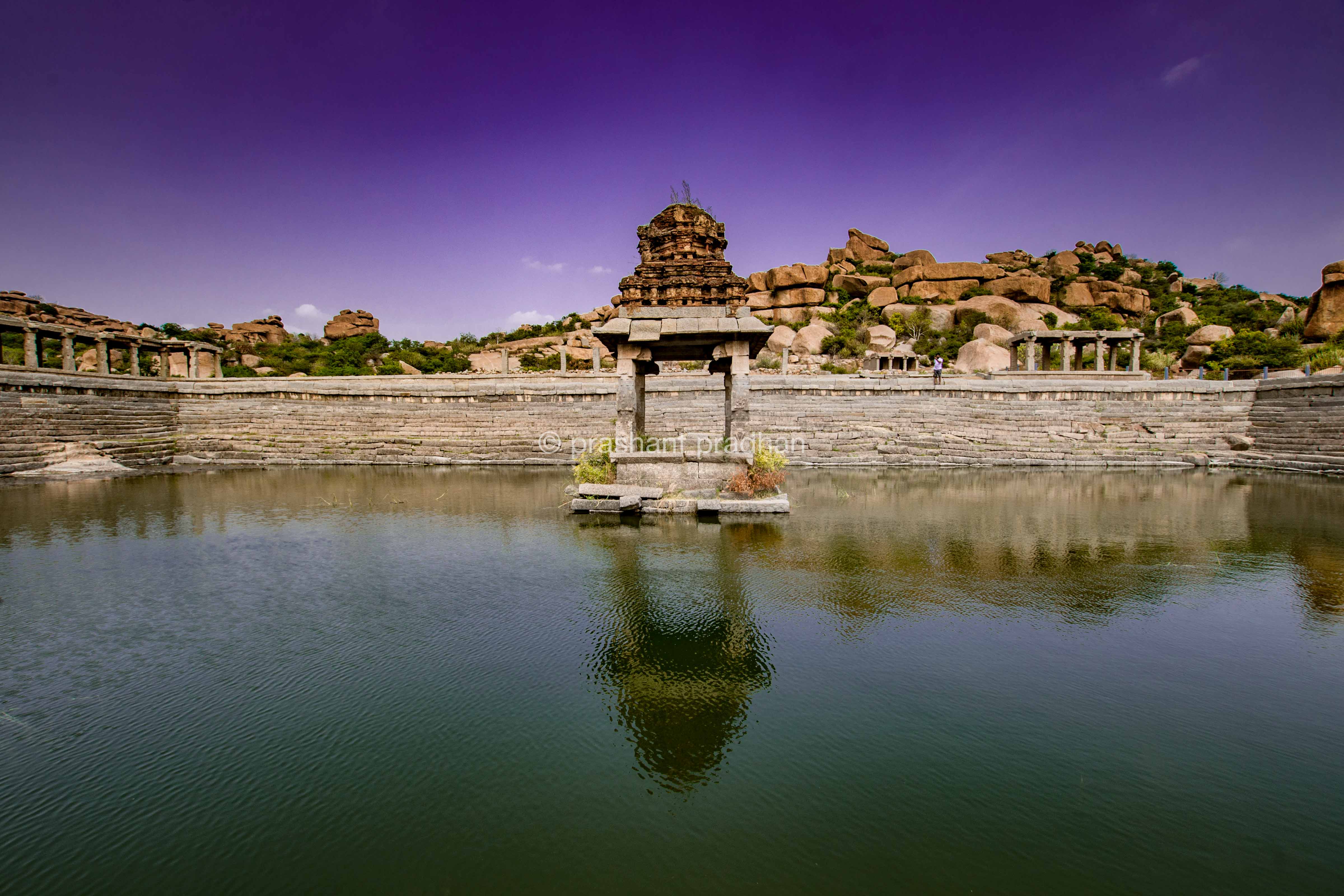
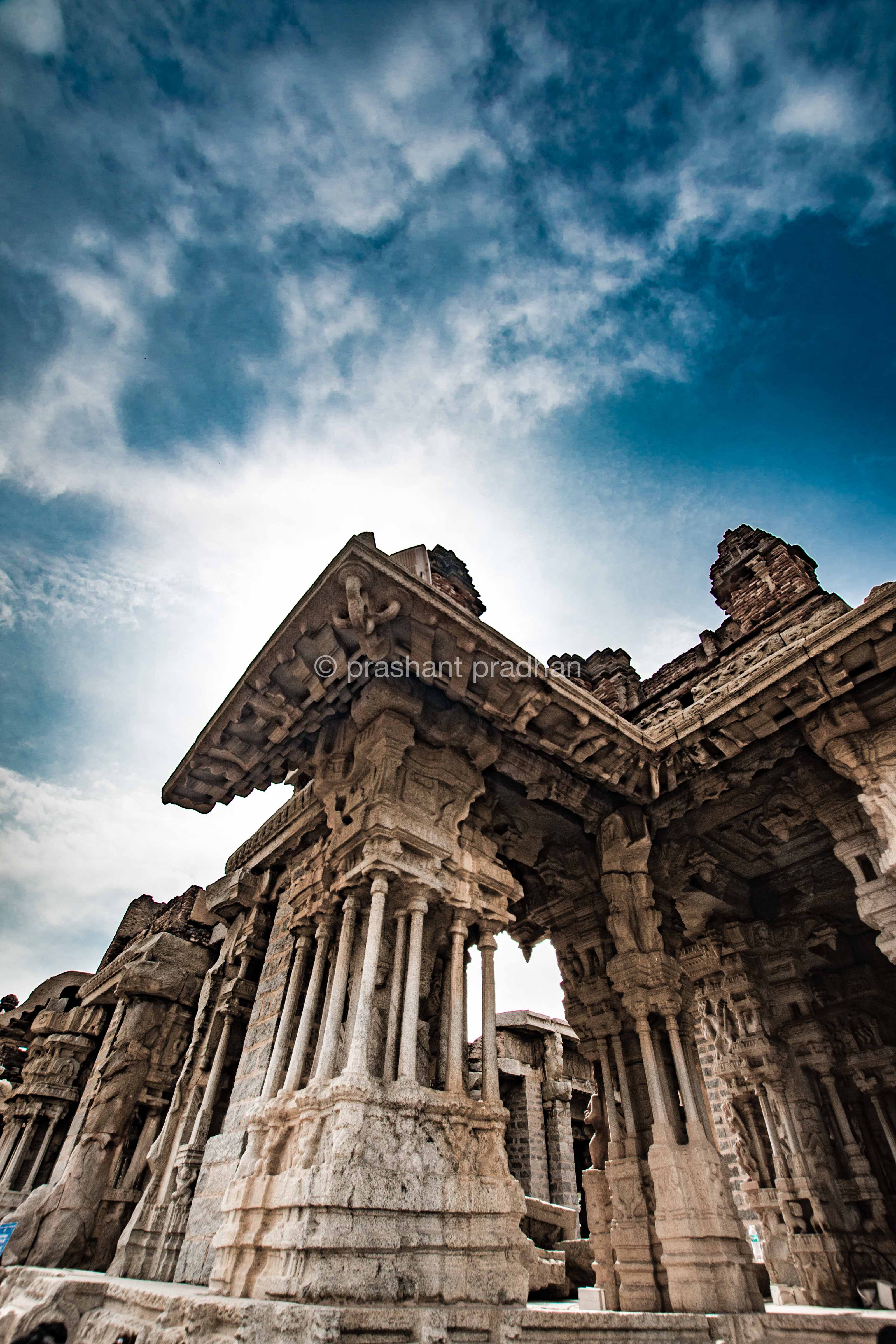
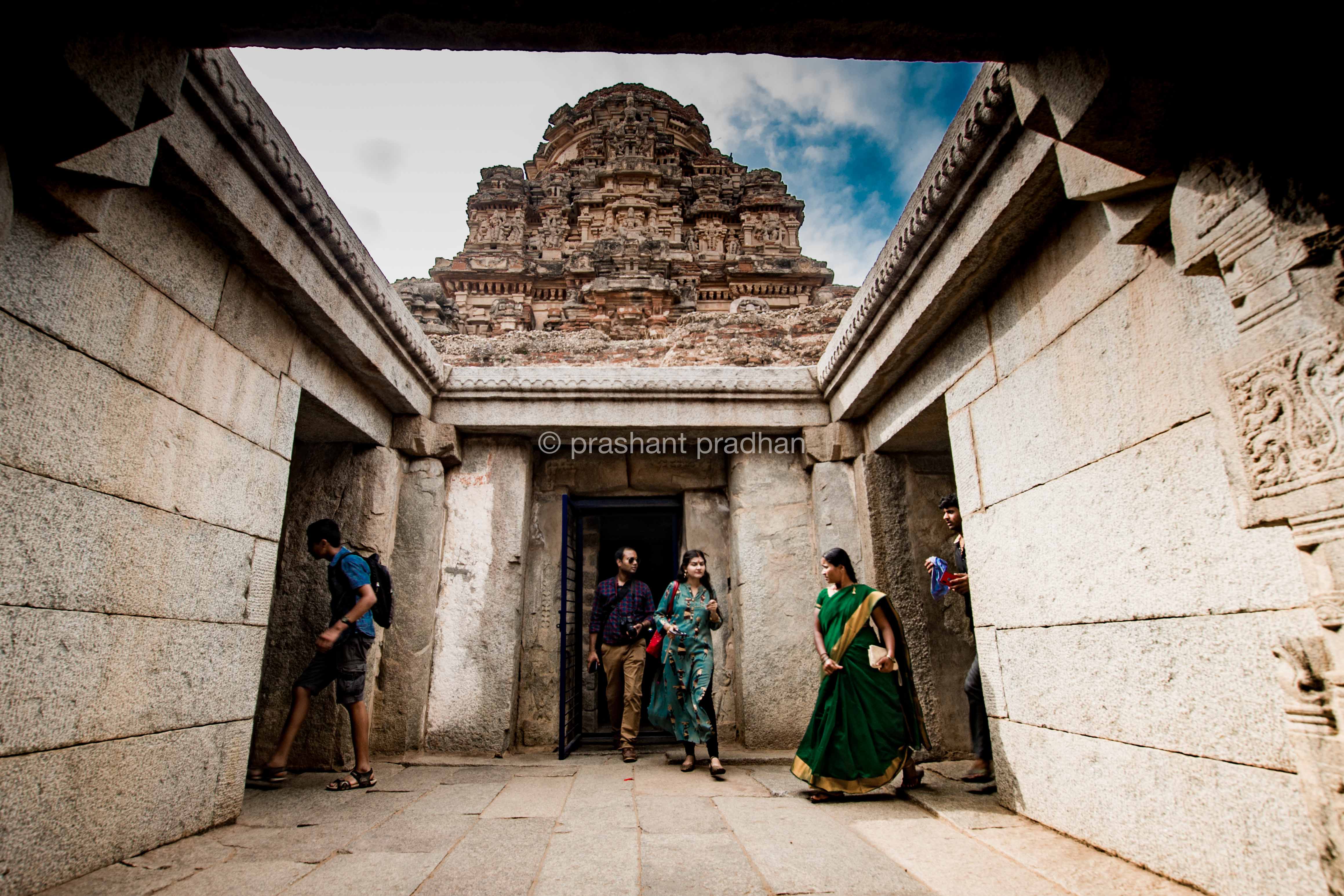
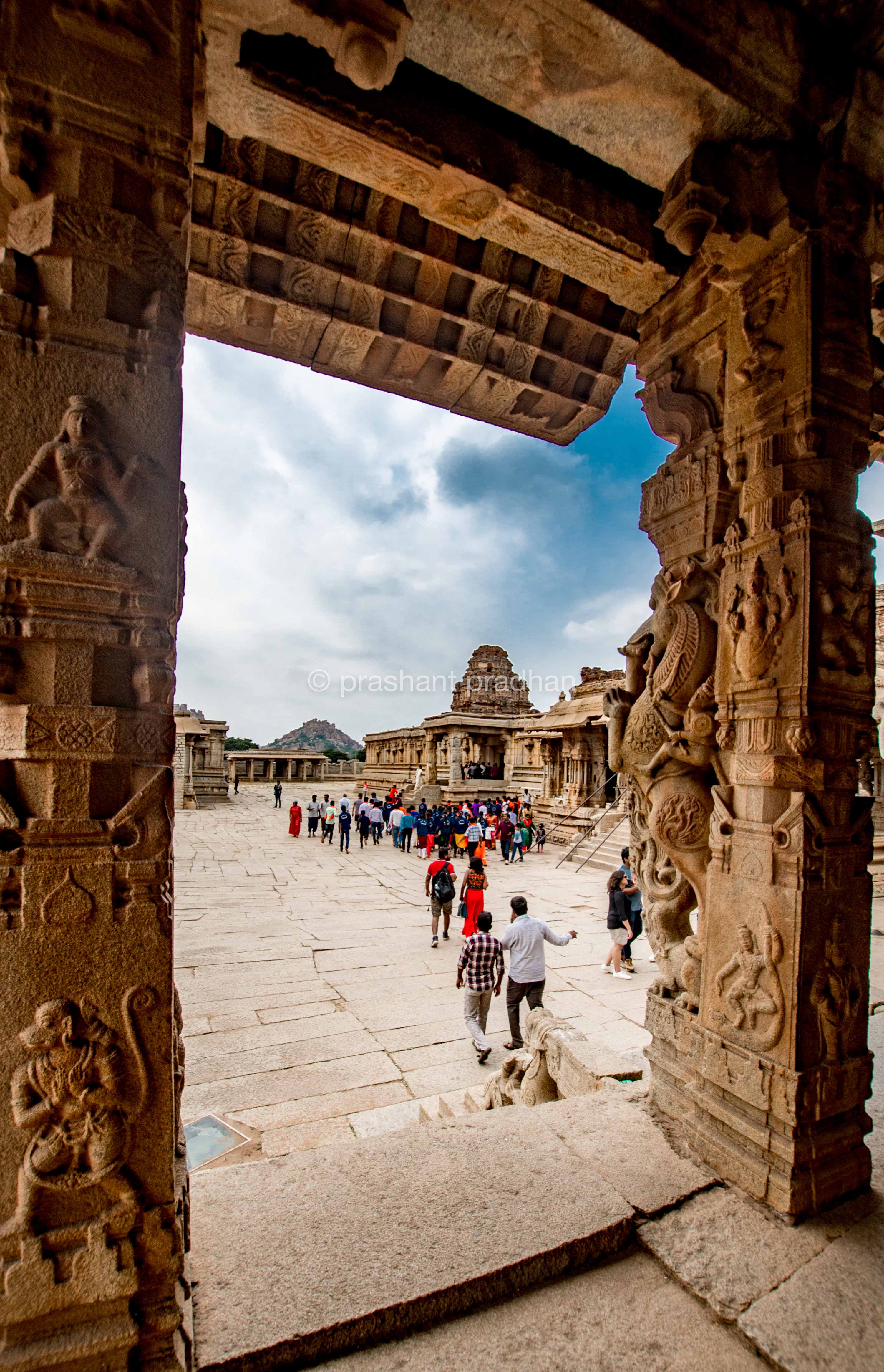
A recent trip to Hampi in North Karnataka had a profound impact on the way that I looked at large public building complexes and institutions. In my student days, my batch had organised a Related Study Trip there – led by our director – Mr. Kurula Varkey. Unfortunately, I had missed it, but managed to make up for it last month, with a study tour of the temples and ruins documented through photographs.
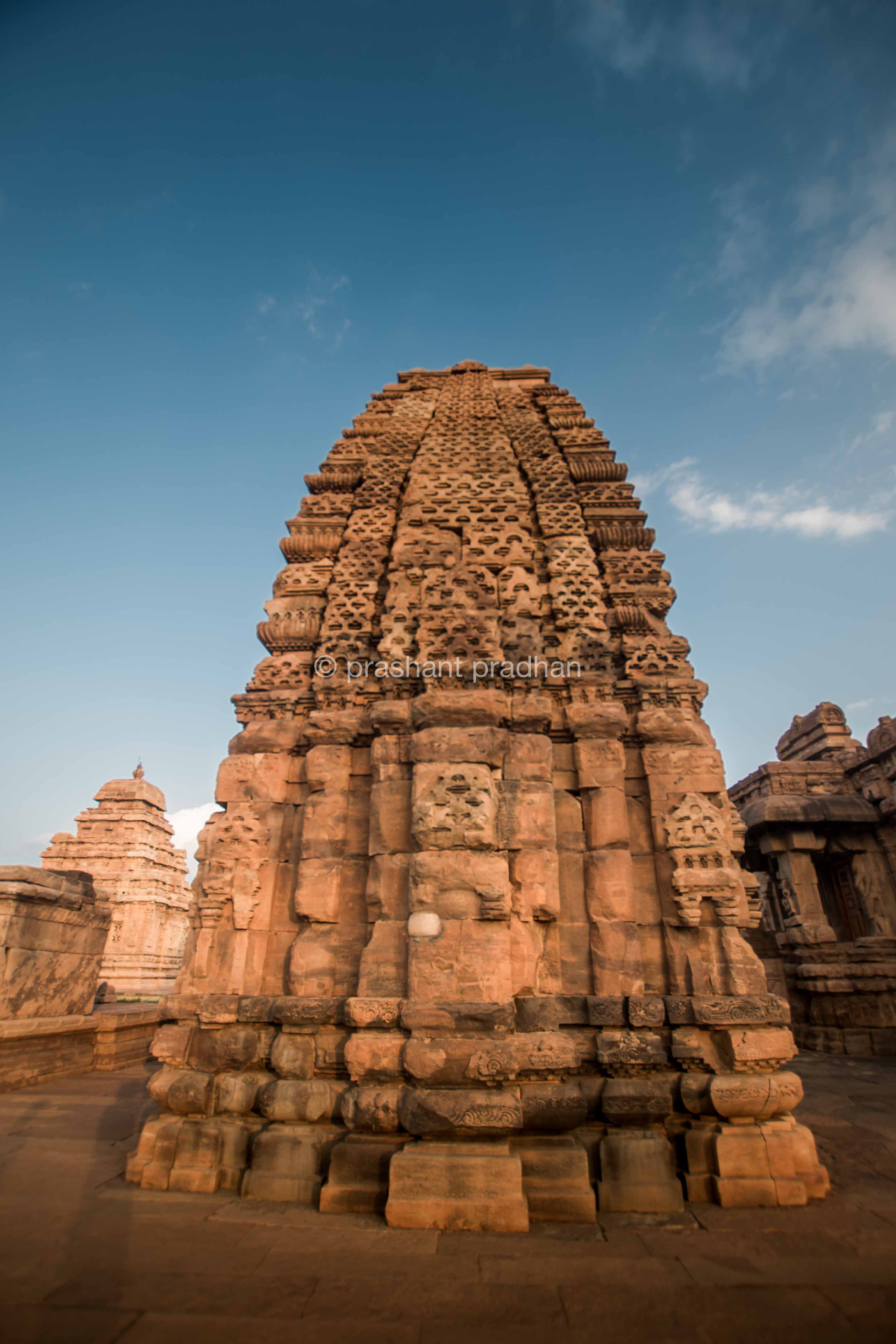
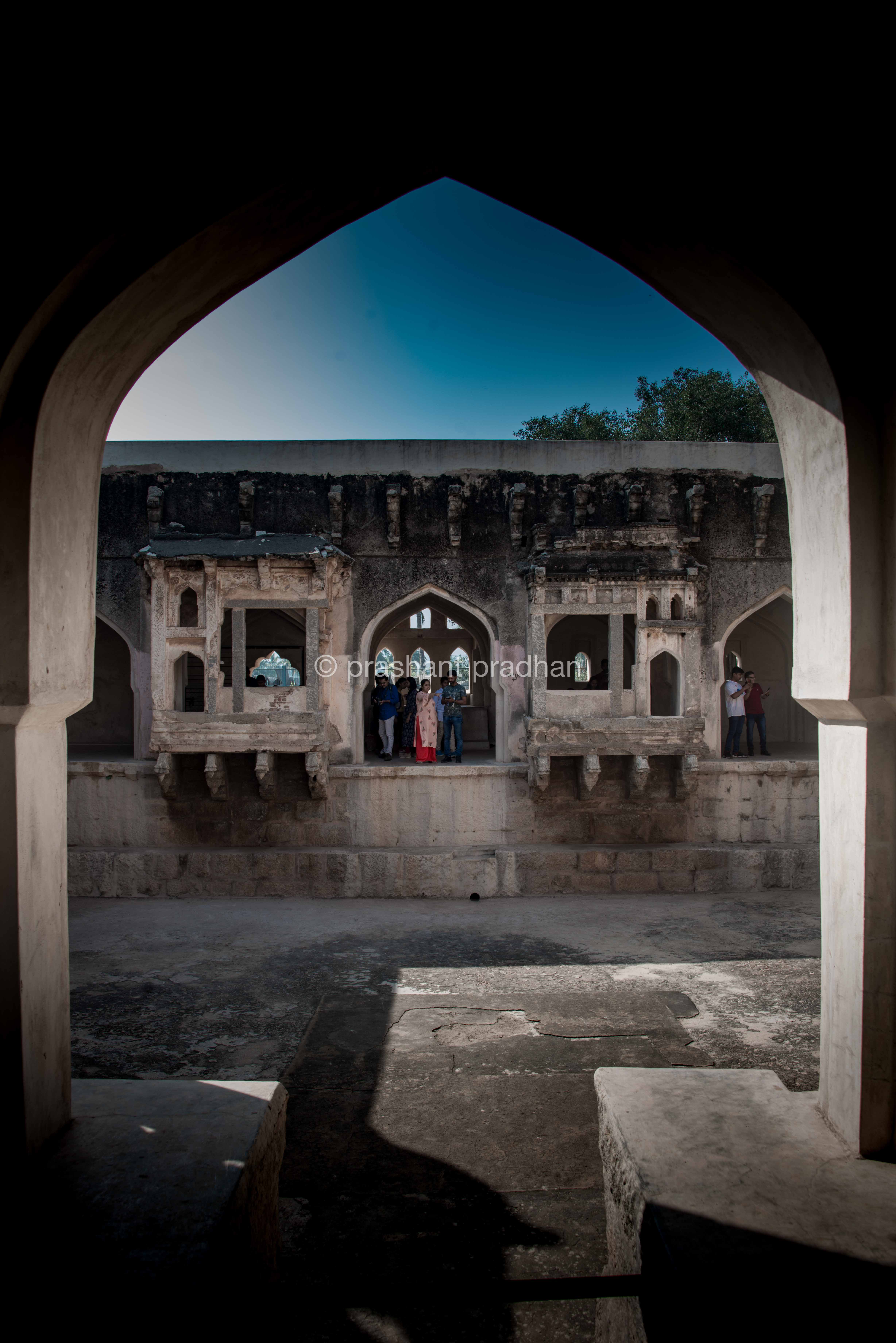
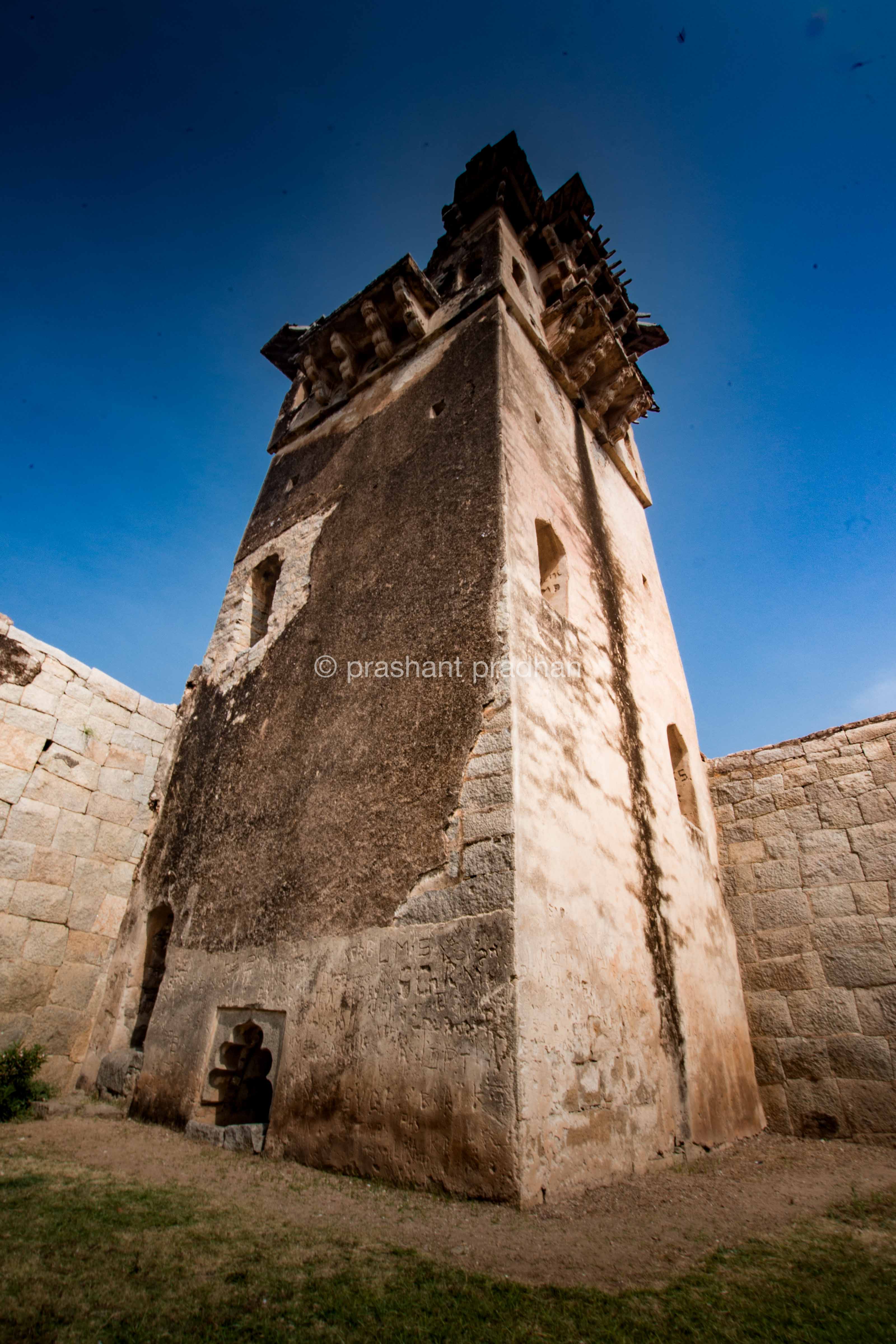
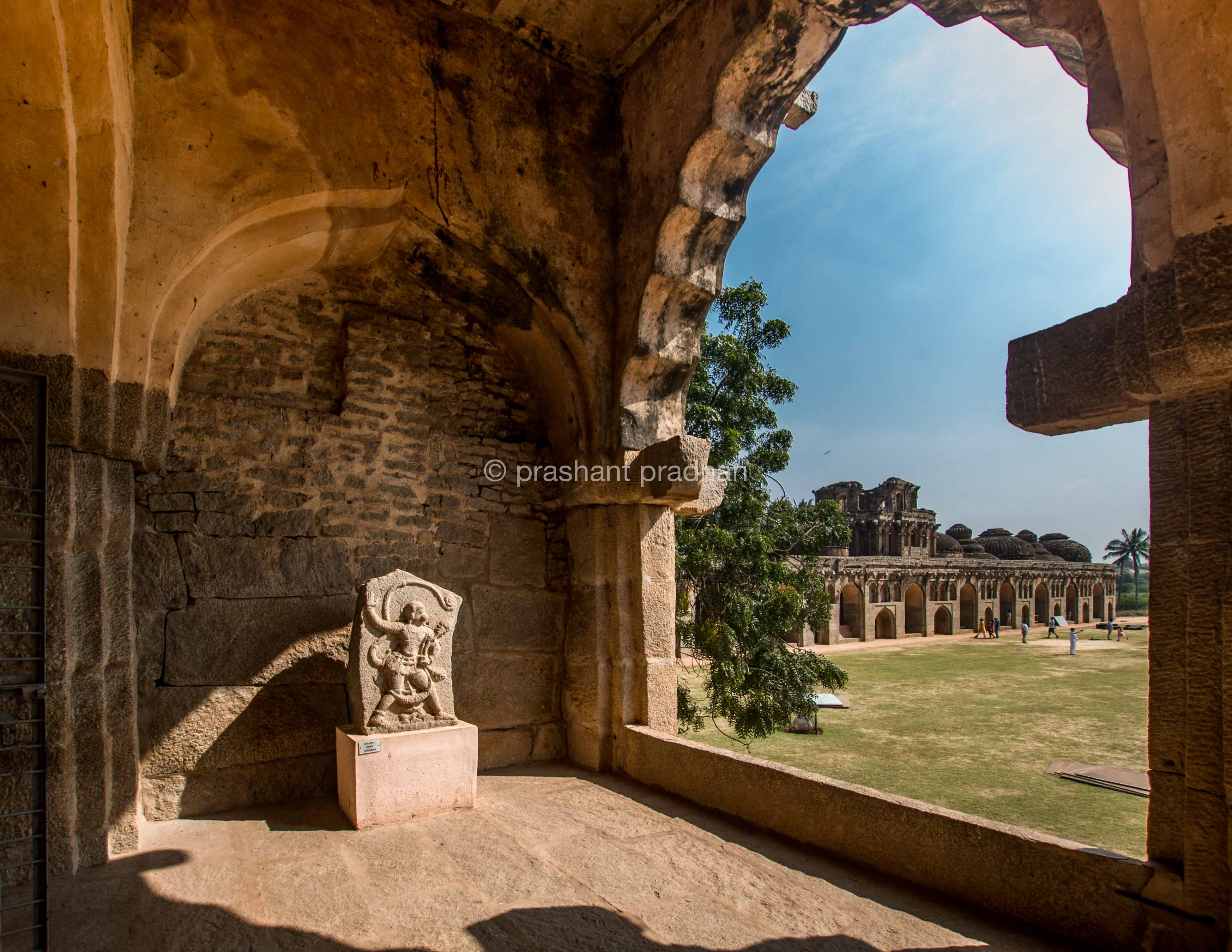
Our travel comprised of Hampi, Anegundi, Pattadhakal, Aihole and Badami and this photoblog is a collection of some of the pictures taken on this trip. Most of them are taken on a DSLR Nikon 800 and a few on an iPhone XR. They have been processed using Lightroom.
From Wikipedia:
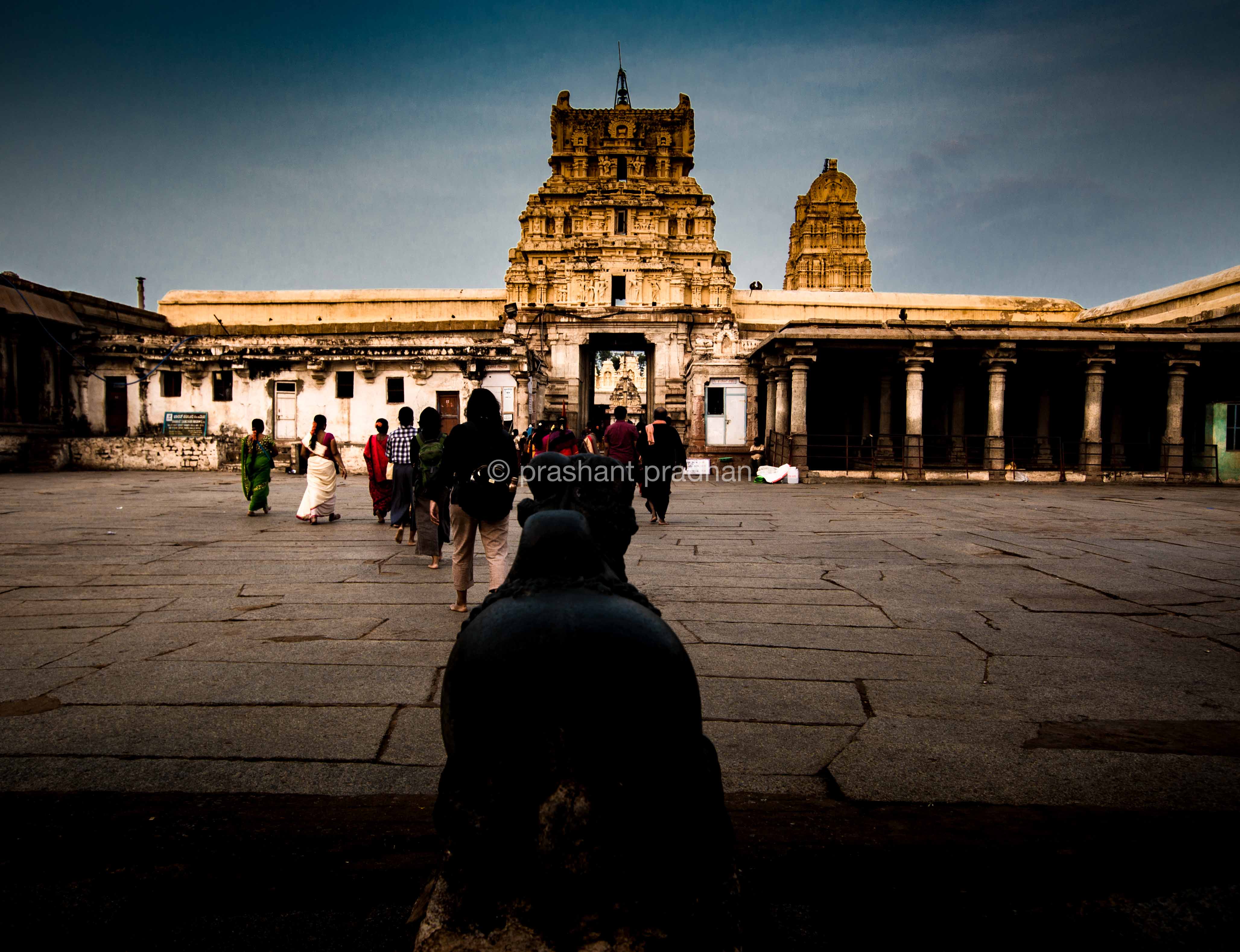
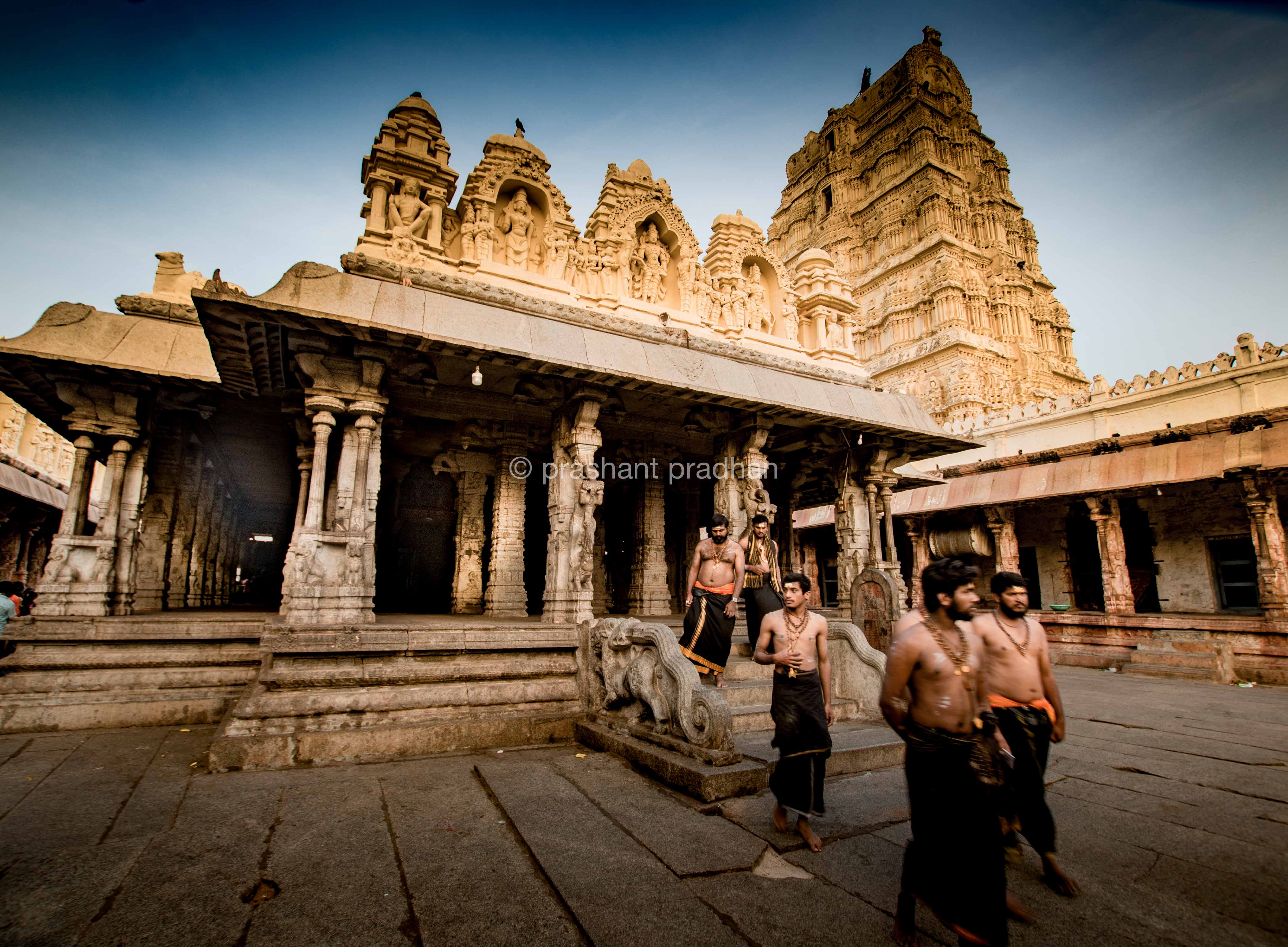
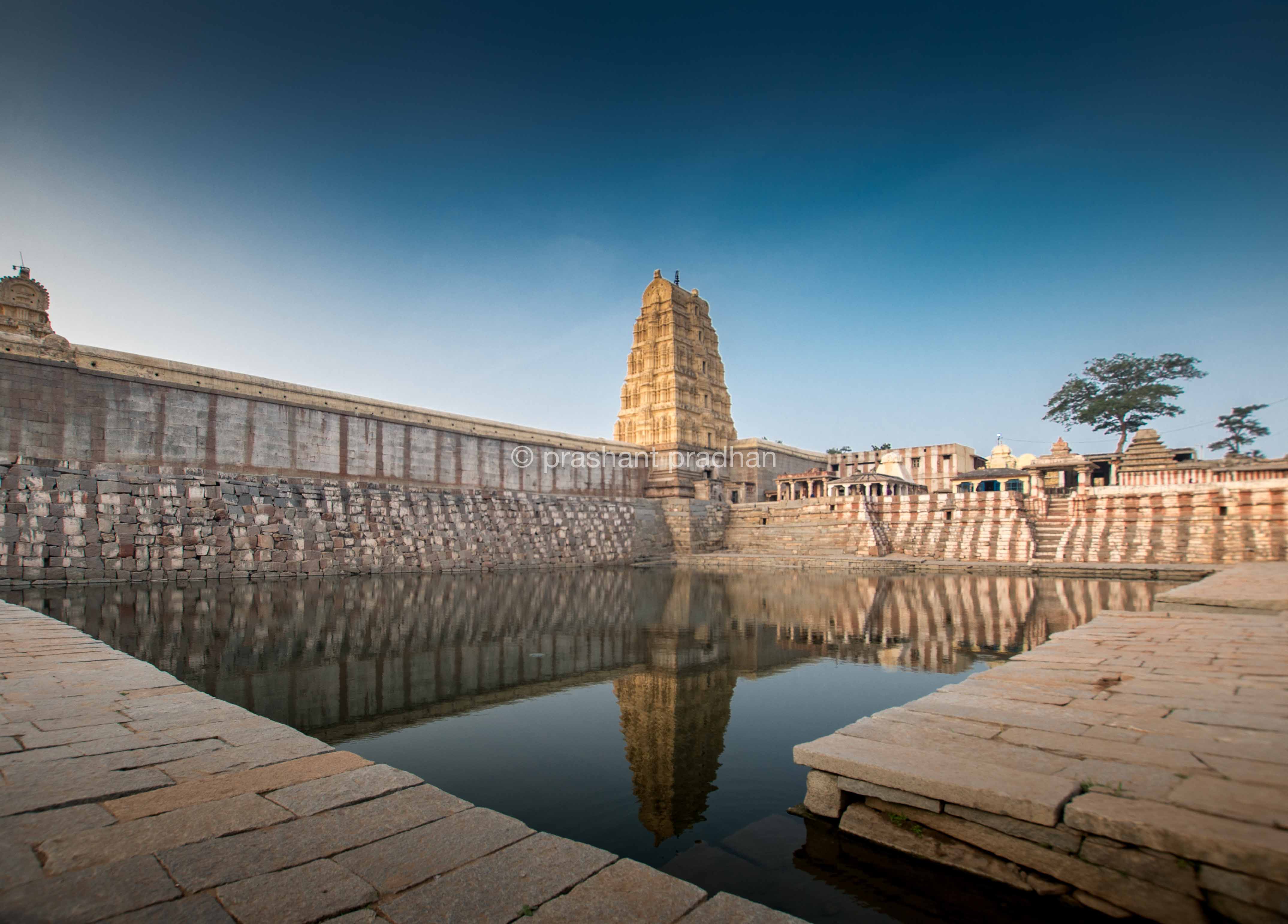
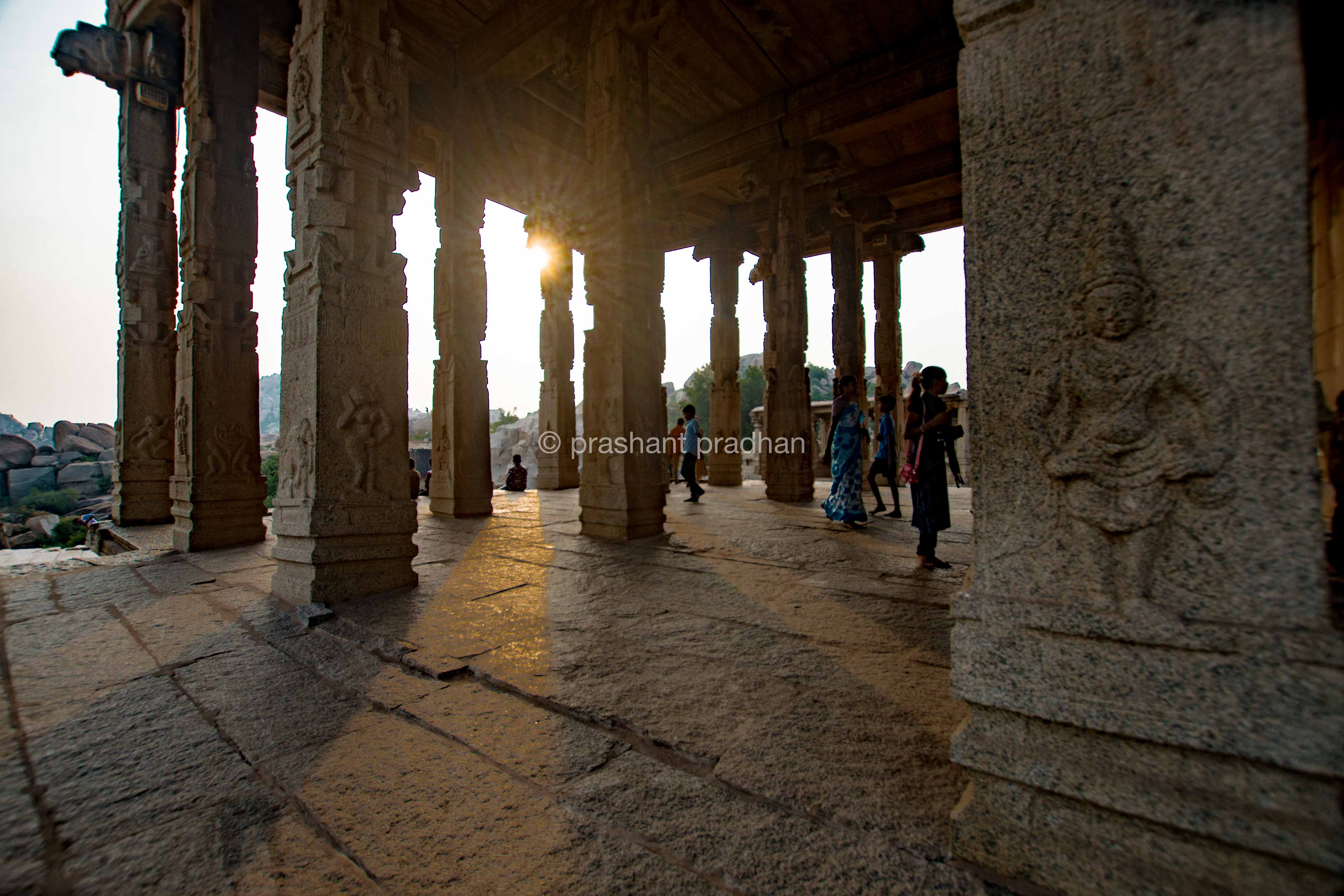
Hampi, also referred to as the Group of Monuments at Hampi, is a UNESCO World Heritage Site located in east-central Karnataka, India.[1] It became the pilligrimage centre of the Hindu religion. Vijayanagara Empire capital in the 14th century.[2] Chronicles left by Persian and European travellers, particularly the Portuguese, state Hampi was a prosperous, wealthy and grand city near the Tungabhadra River, with numerous temples, farms and trading markets. By 1500 CE, Hampi-Vijayanagara was the world’s second-largest medieval-era city after Beijing, and probably India’s richest at that time, attracting traders from Persia and Portugal.[3][4] The Vijayanagara Empire was defeated by a coalition of Muslim sultanates; its capital was conquered, pillaged and destroyed by sultanate armies in 1565, after which Hampi remained in ruins.[2][5][6]
Located in Karnataka near the modern-era city of Hosapete, Hampi’s ruins are spread over 4,100 hectares (16 sq mi) and it has been described by UNESCO as an “austere, grandiose site” of more than 1,600 surviving remains of the last great Hindu kingdom in South India that includes “forts, riverside features, royal and sacred complexes, temples, shrines, pillared halls, mandapas, memorial structures, water structures and others”.[7]Hampi predates the Vijayanagara Empire; there is evidence of Ashokan epigraphy, and it is mentioned in the Ramayana and the Puranas of Hinduism as Pampaa Devi Tirtha Kshetra.[2][8] Hampi continues to be an important religious centre, housing the Virupaksha Temple, an active Adi Shankara-linked monastery and various monuments belonging to the old city.[5][9]
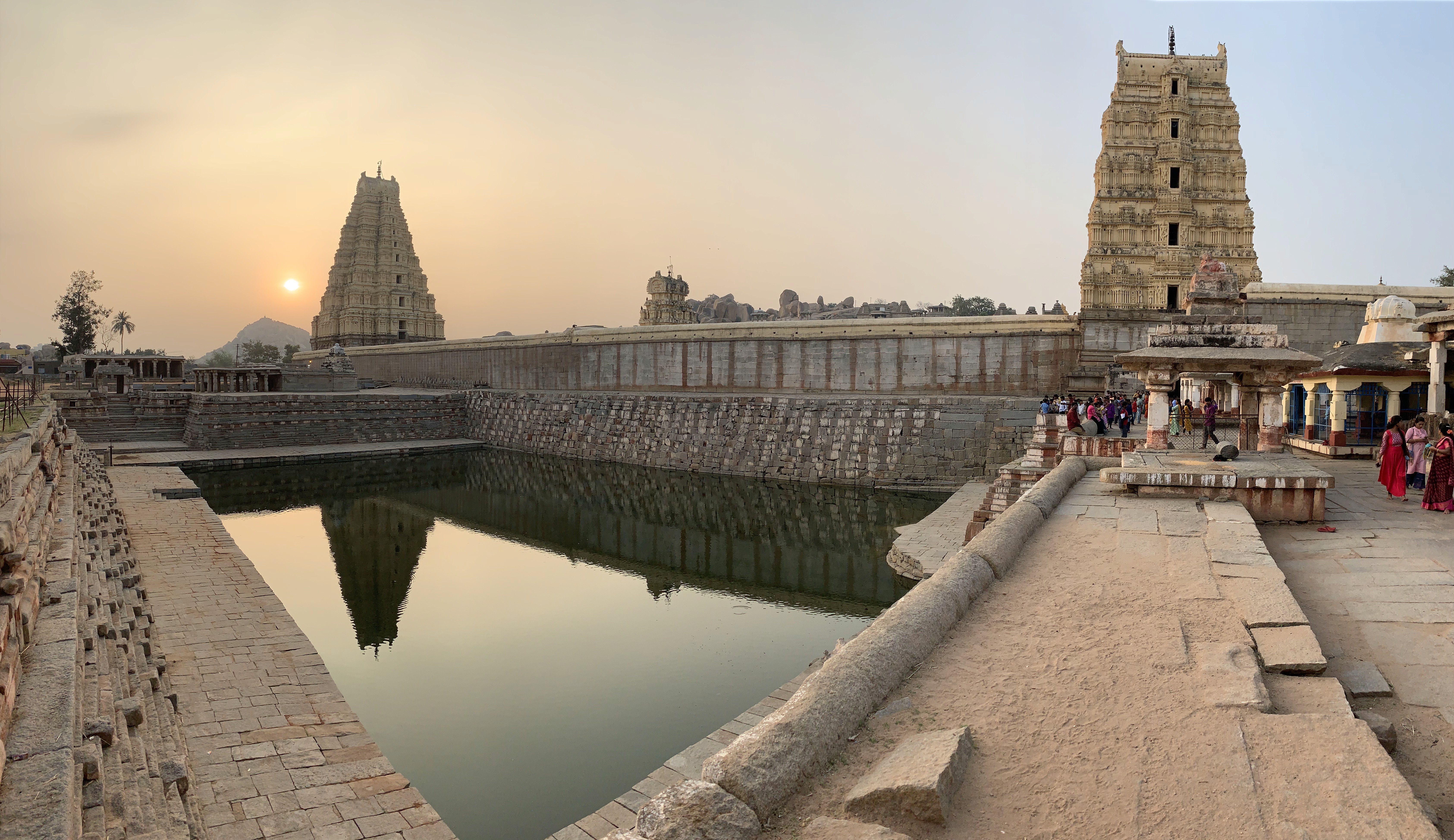
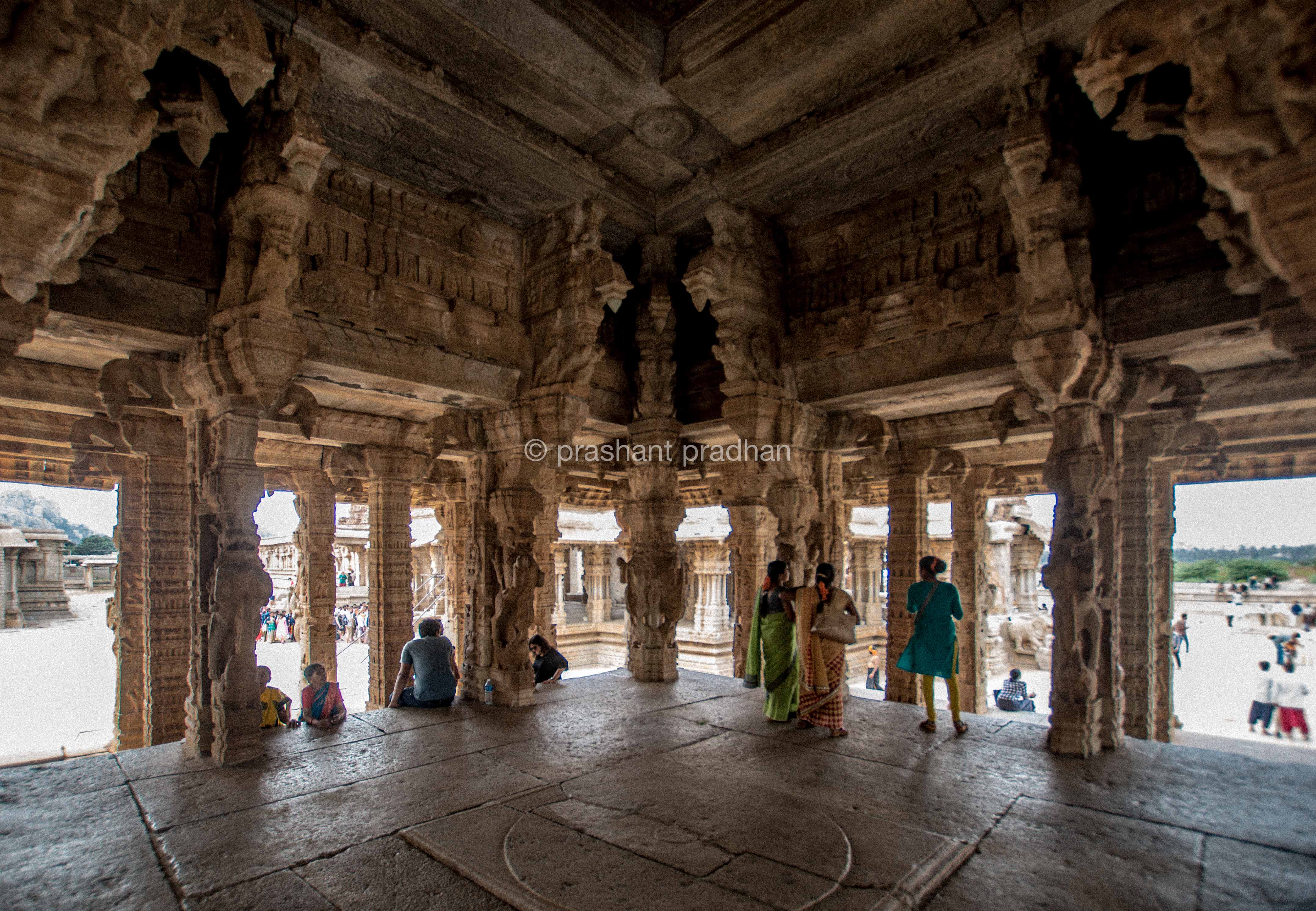
Hampi
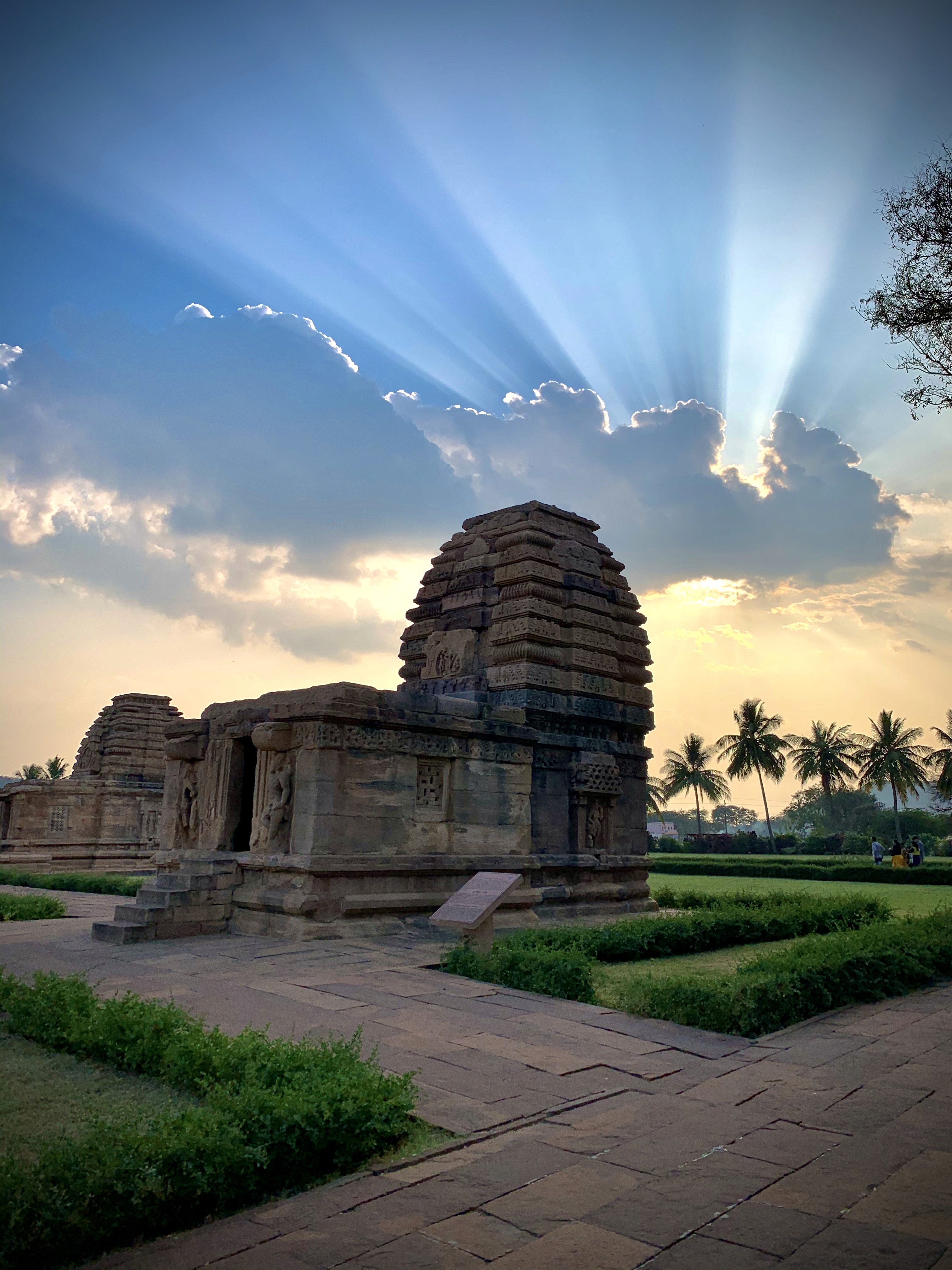
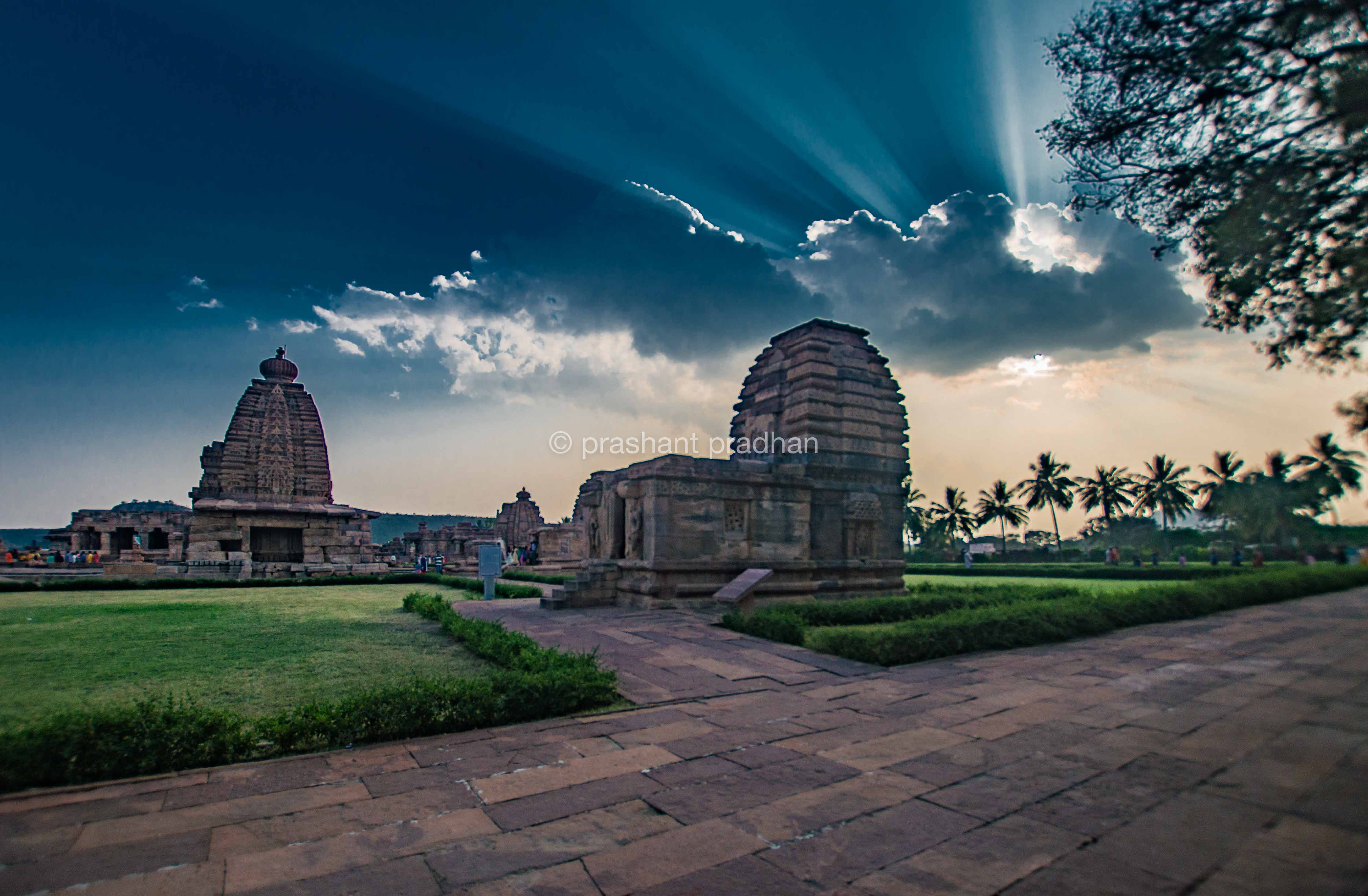
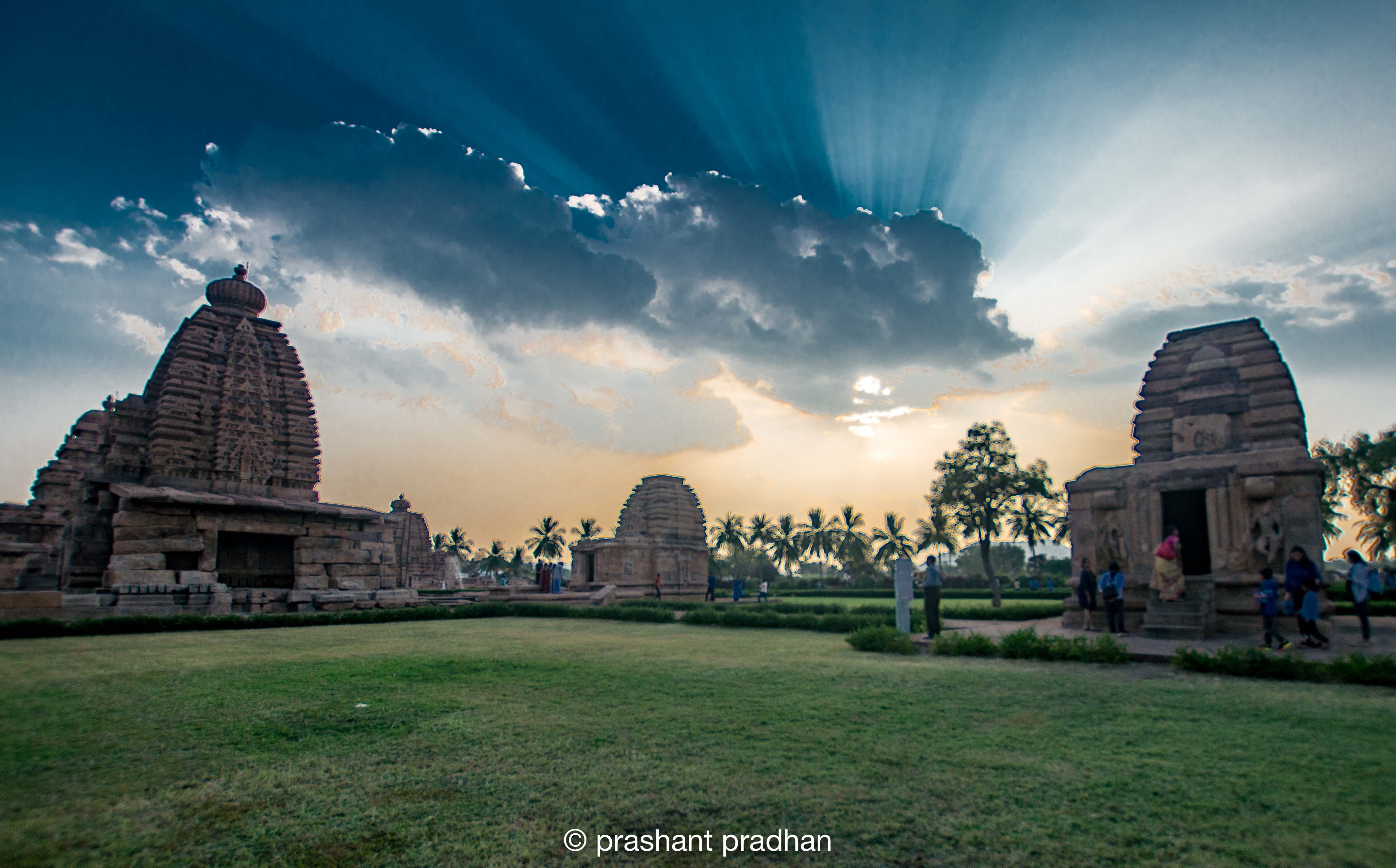
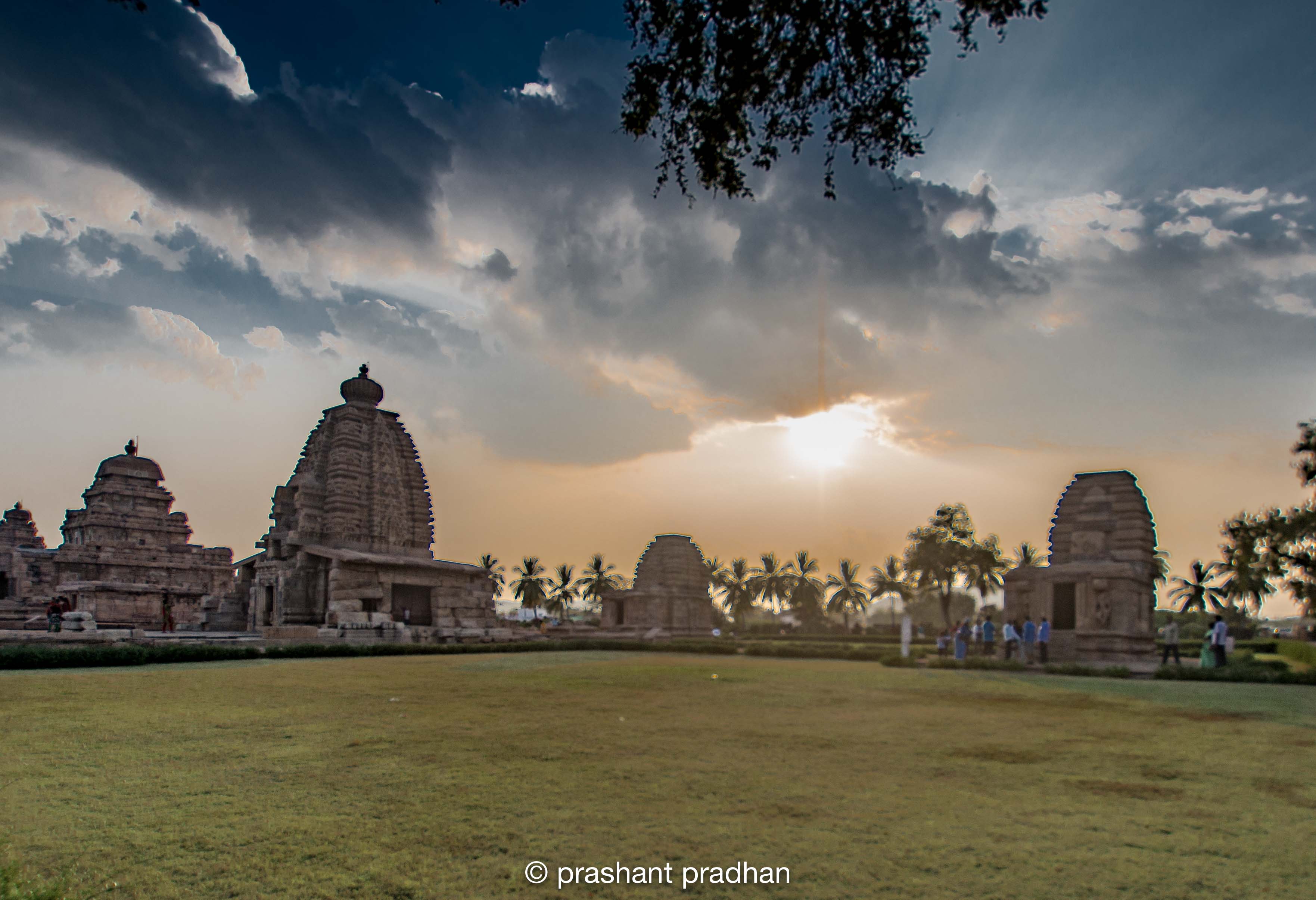
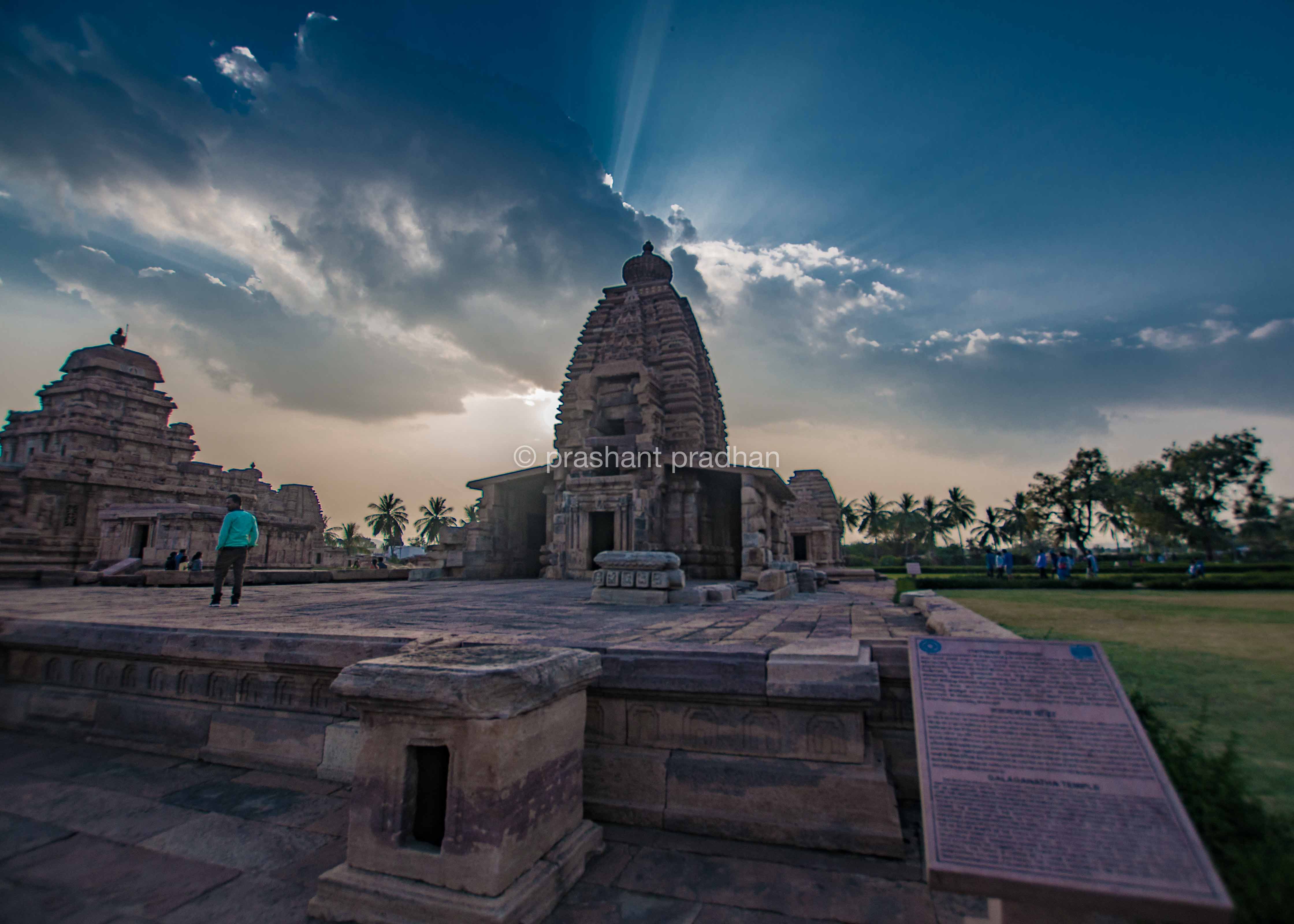
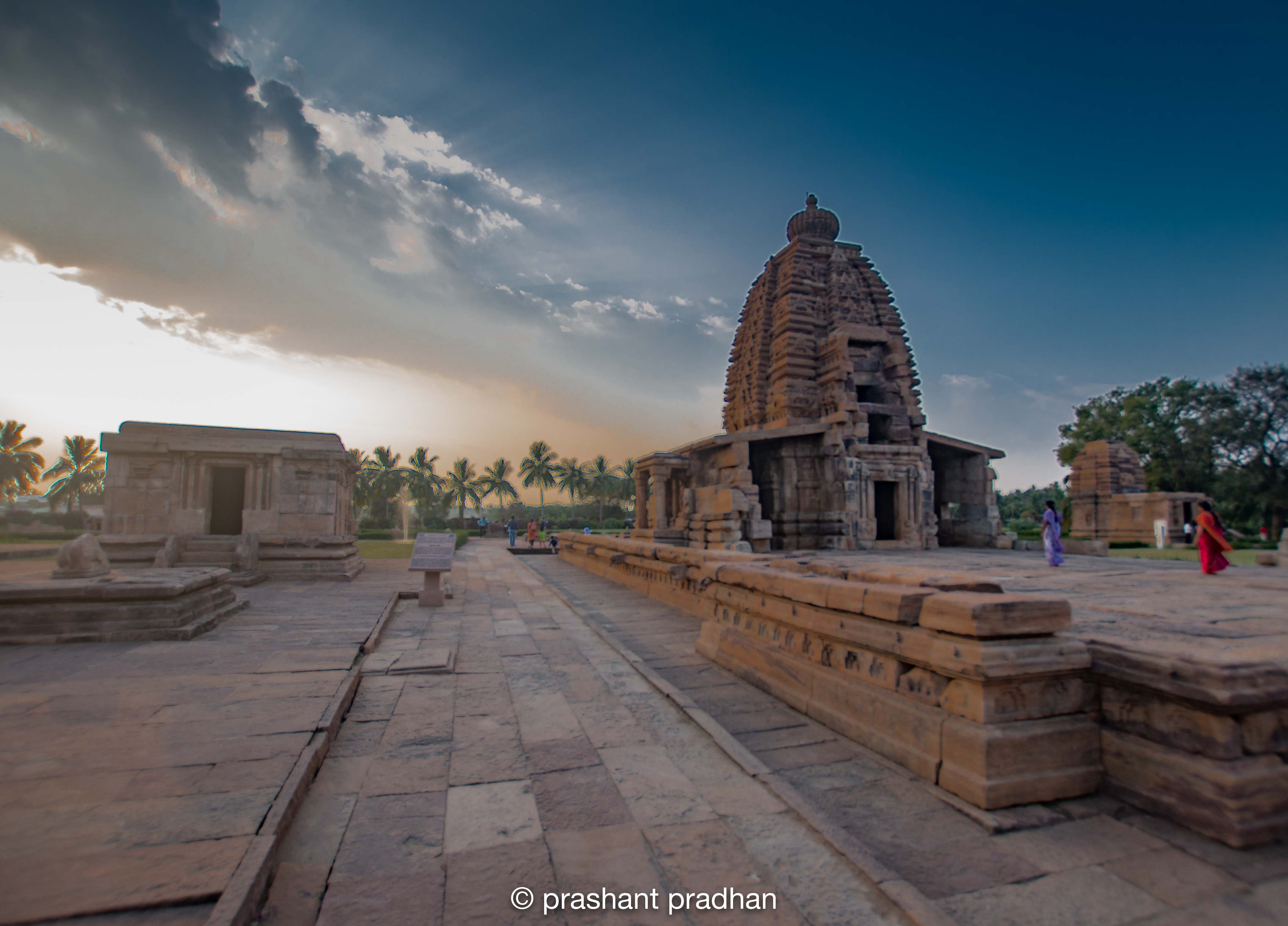
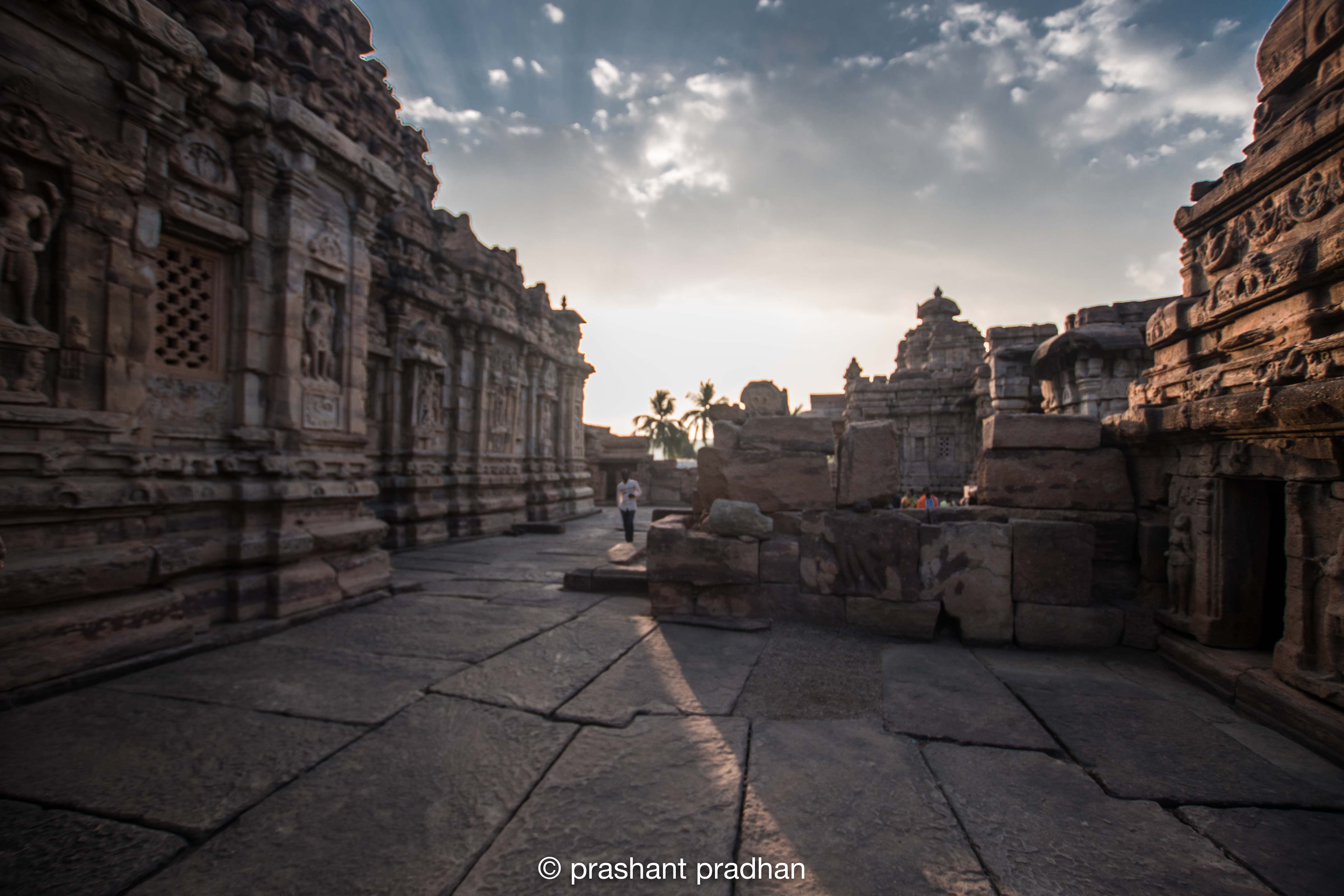
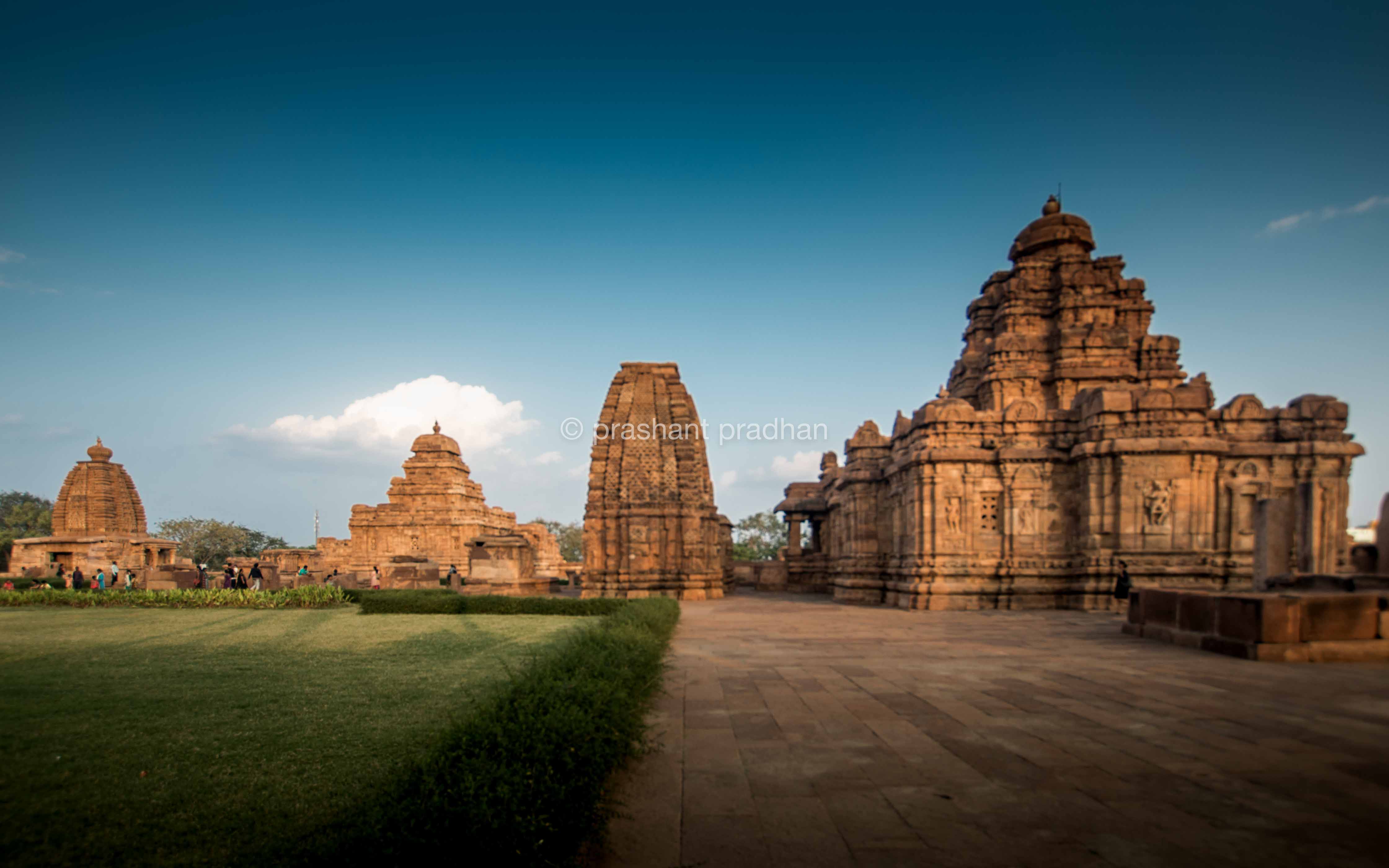
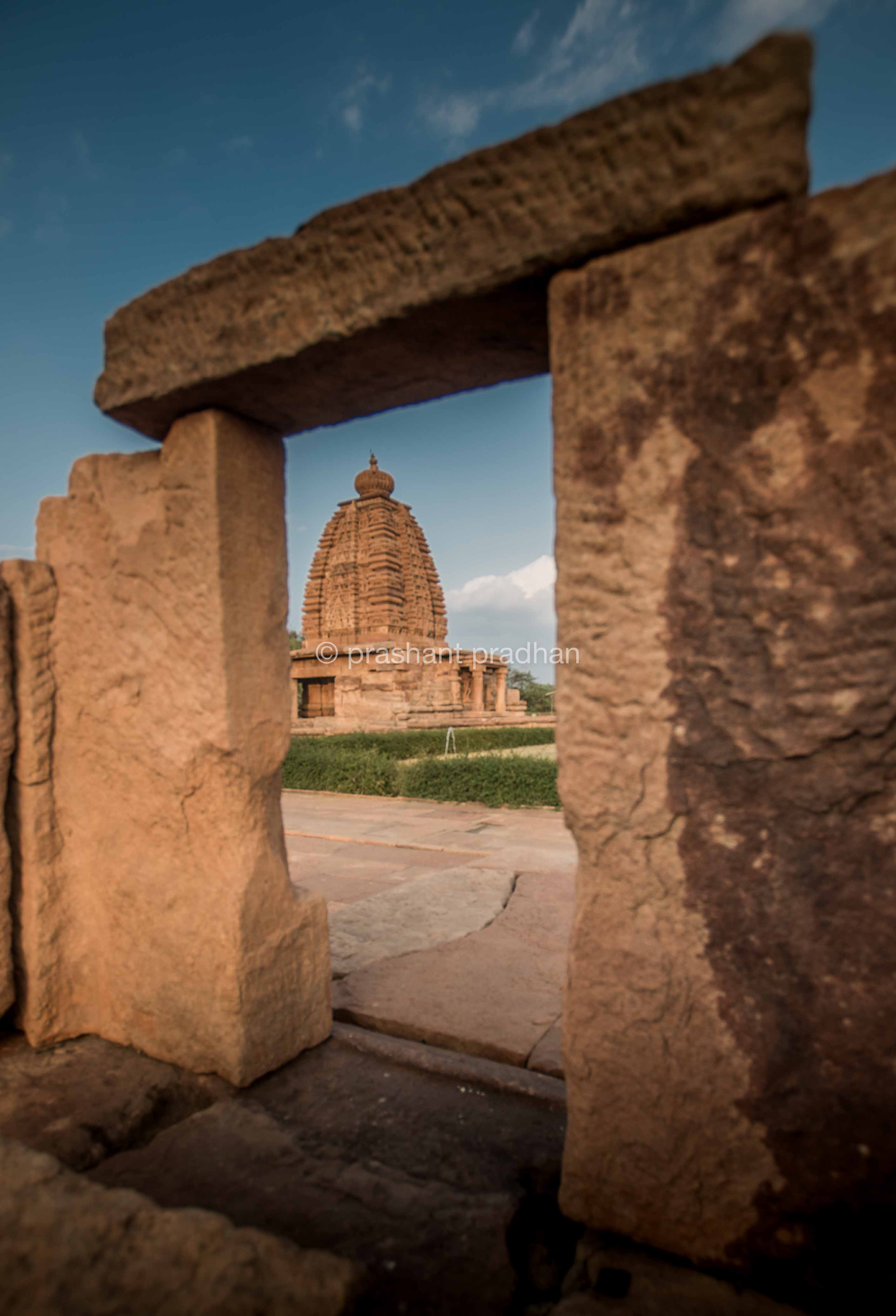
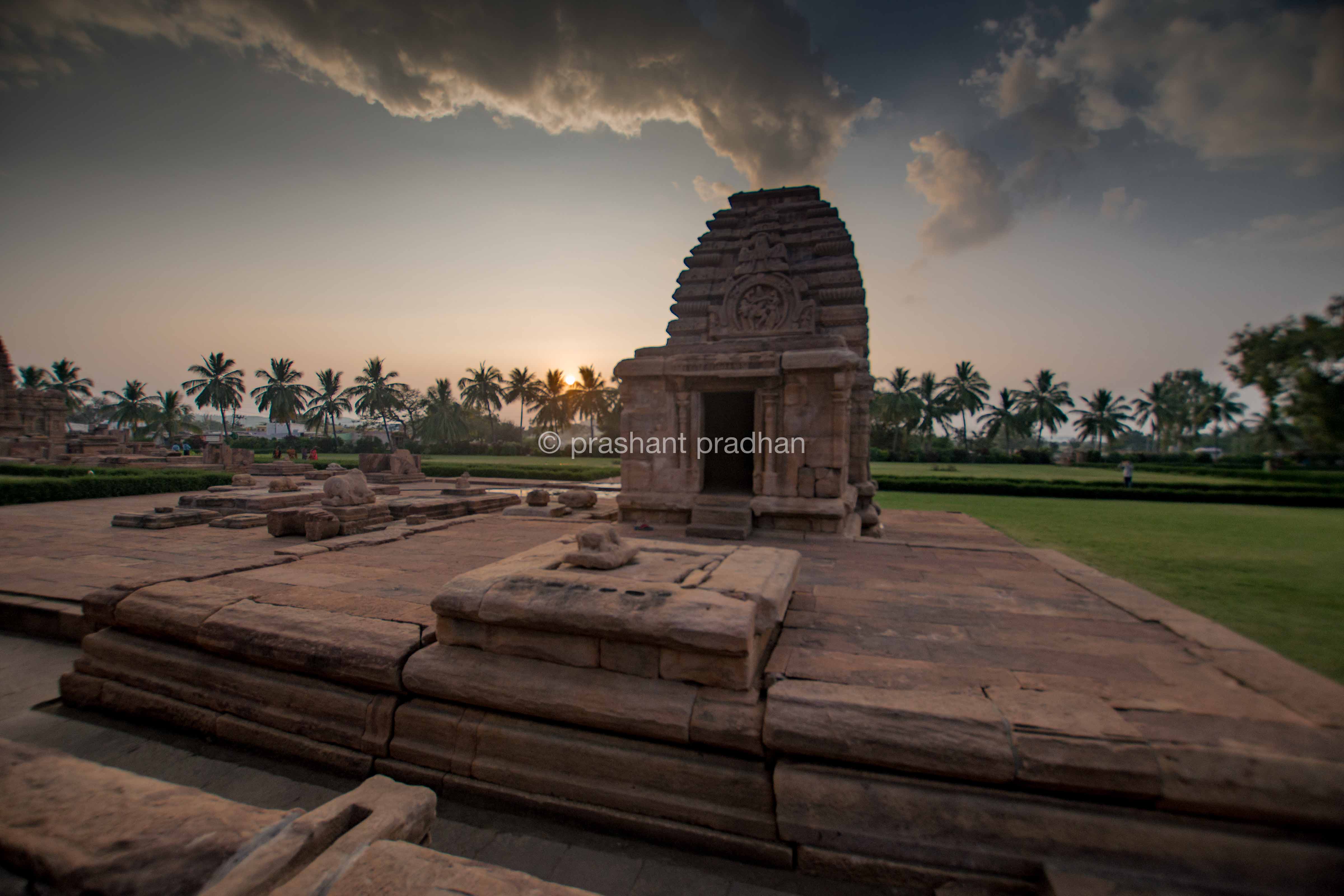
Pattadhakkalu
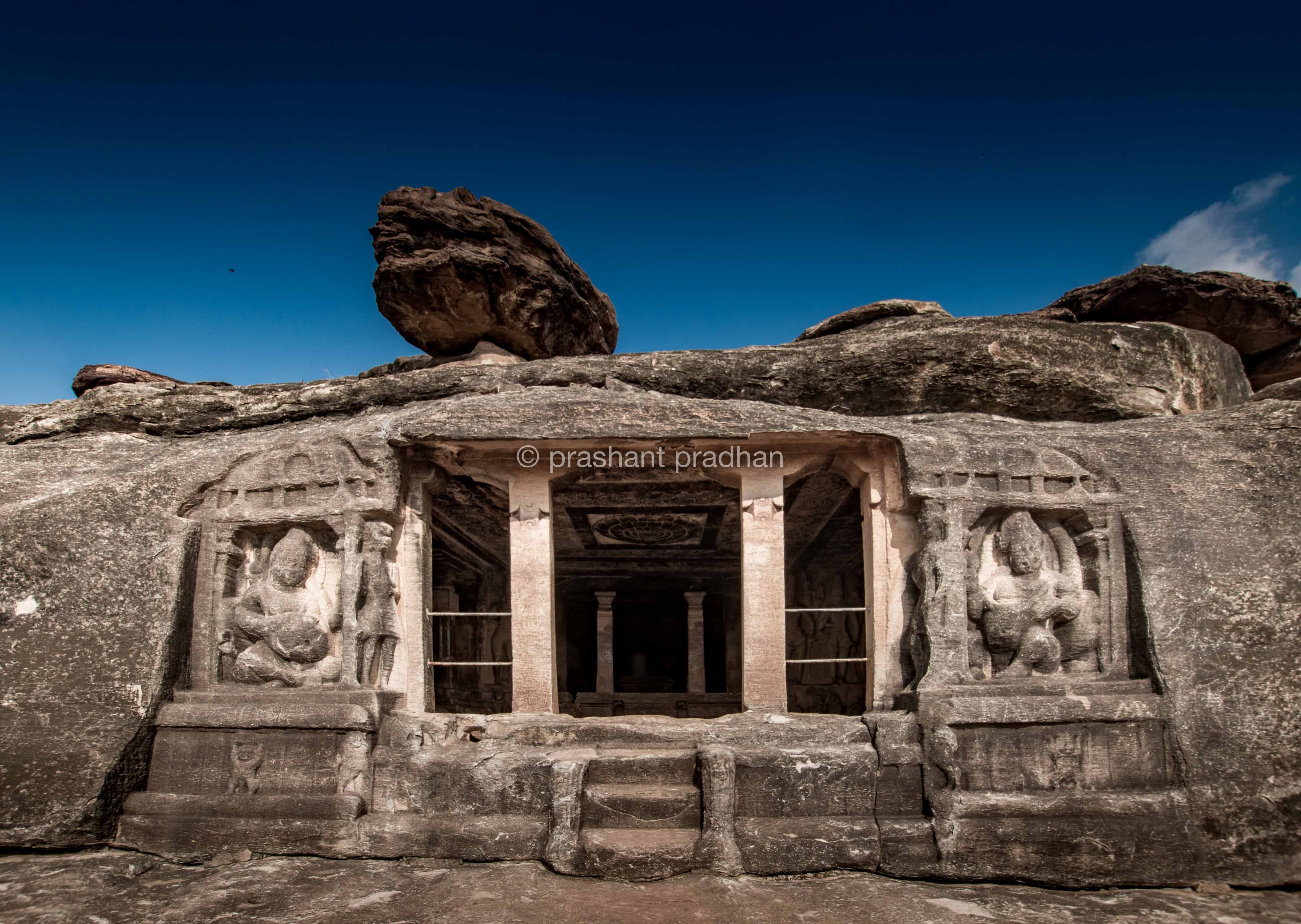
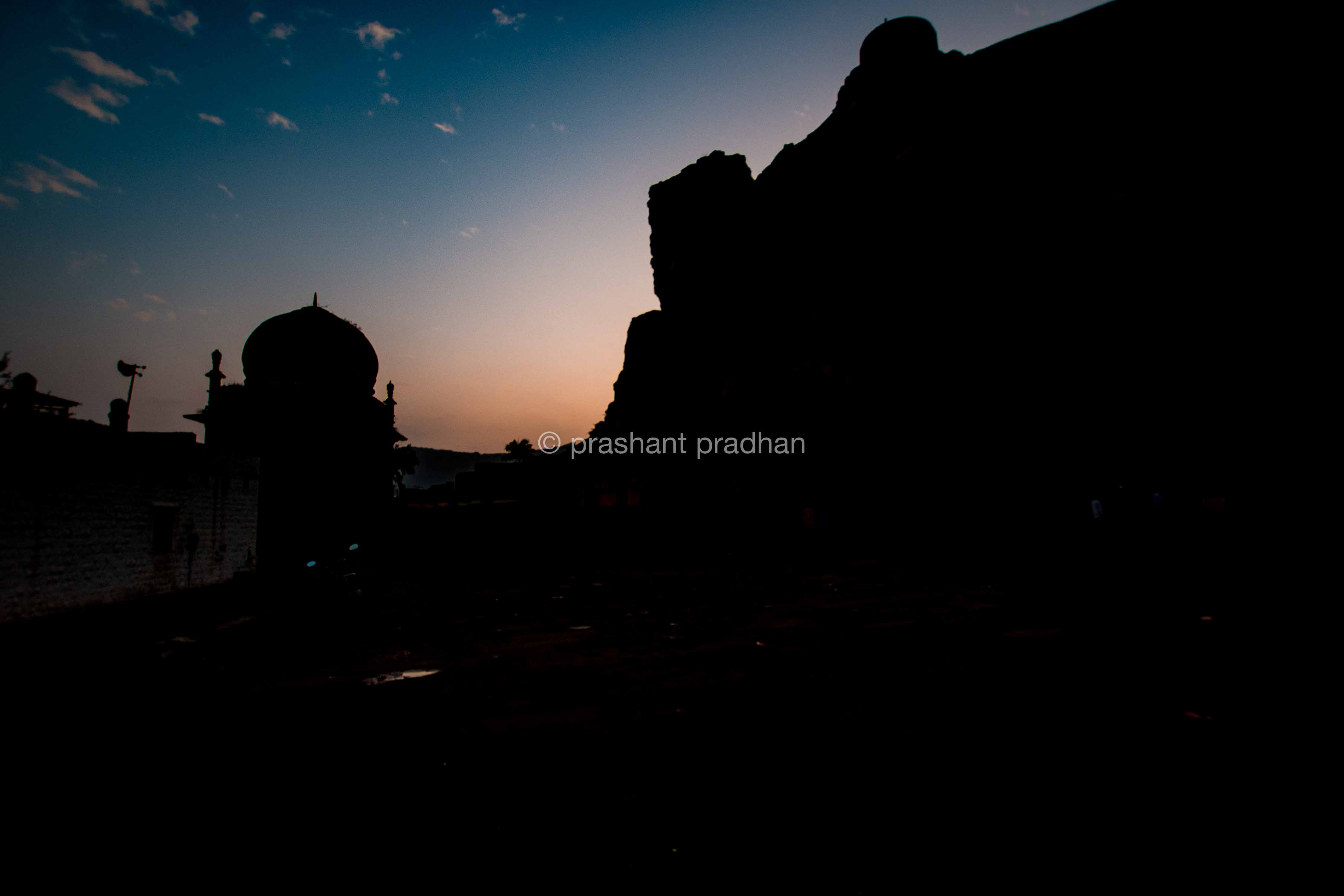
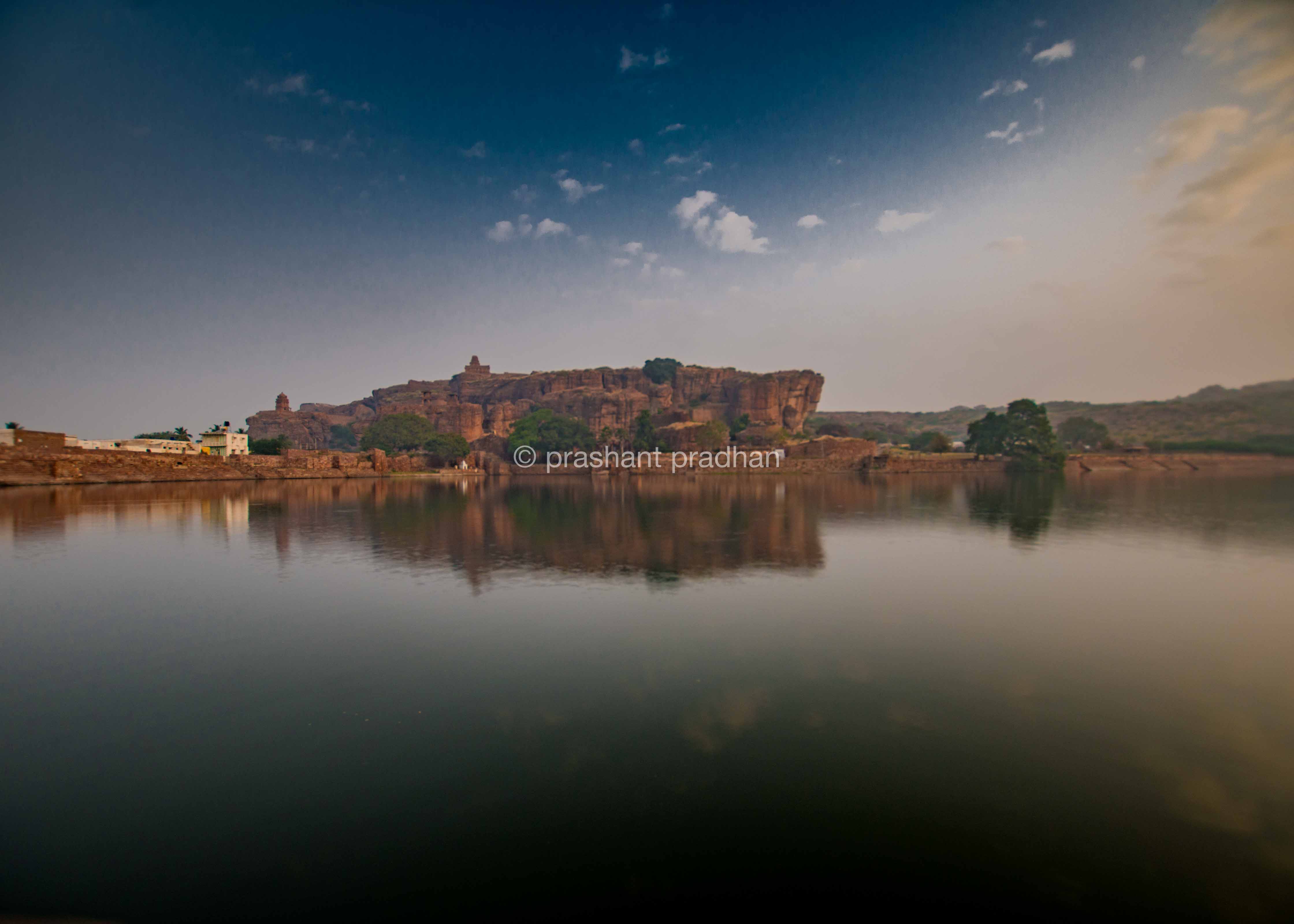
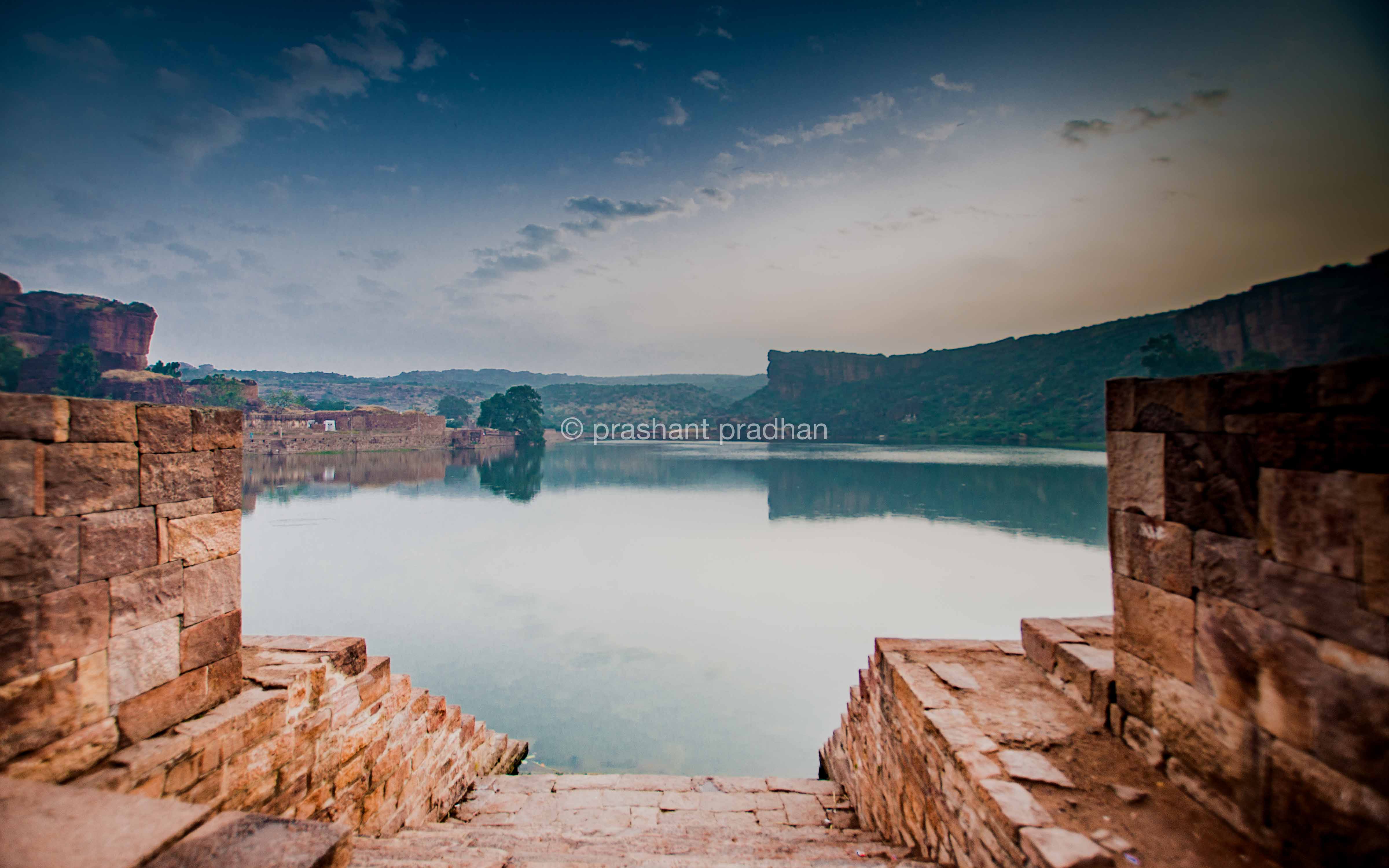
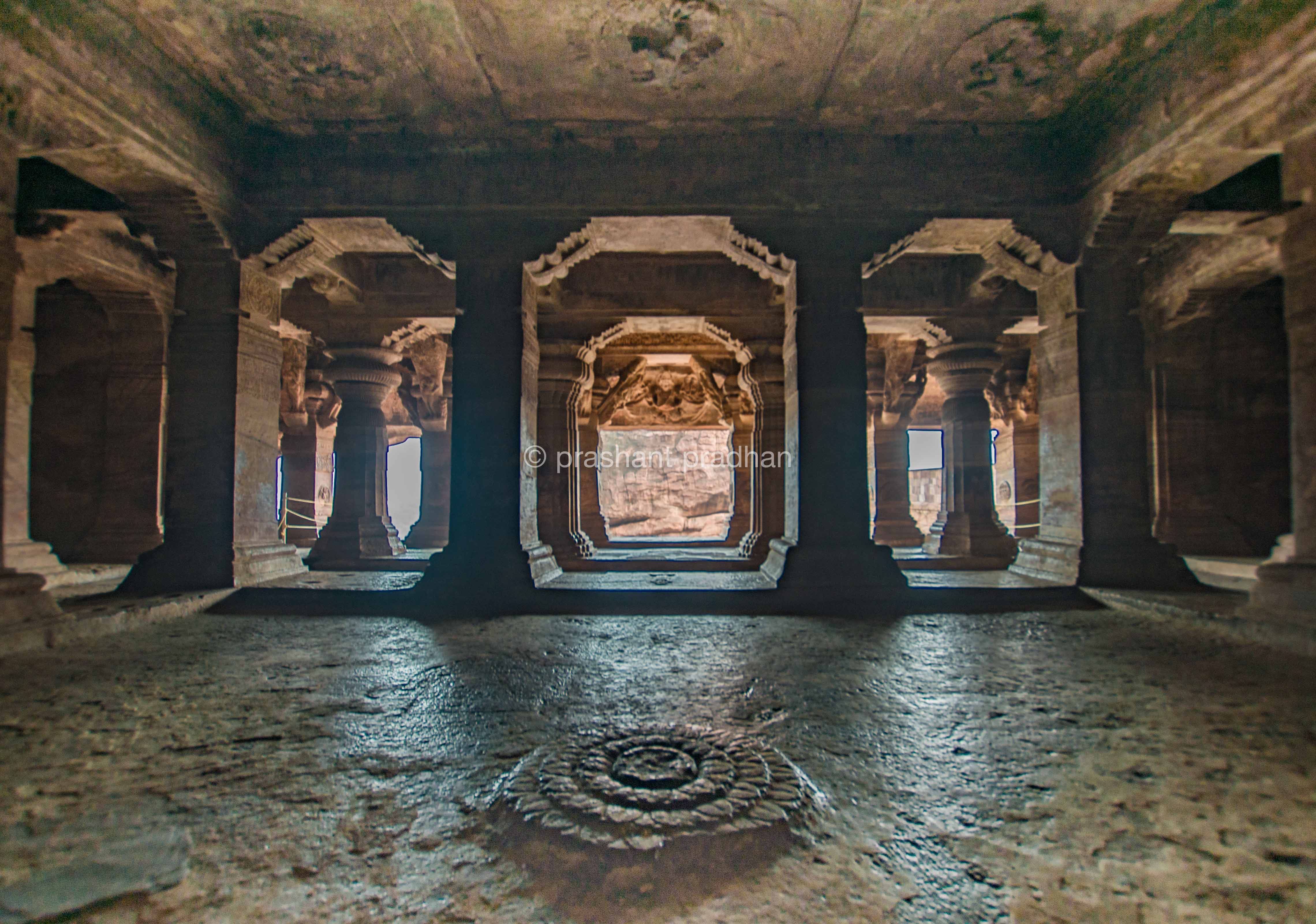
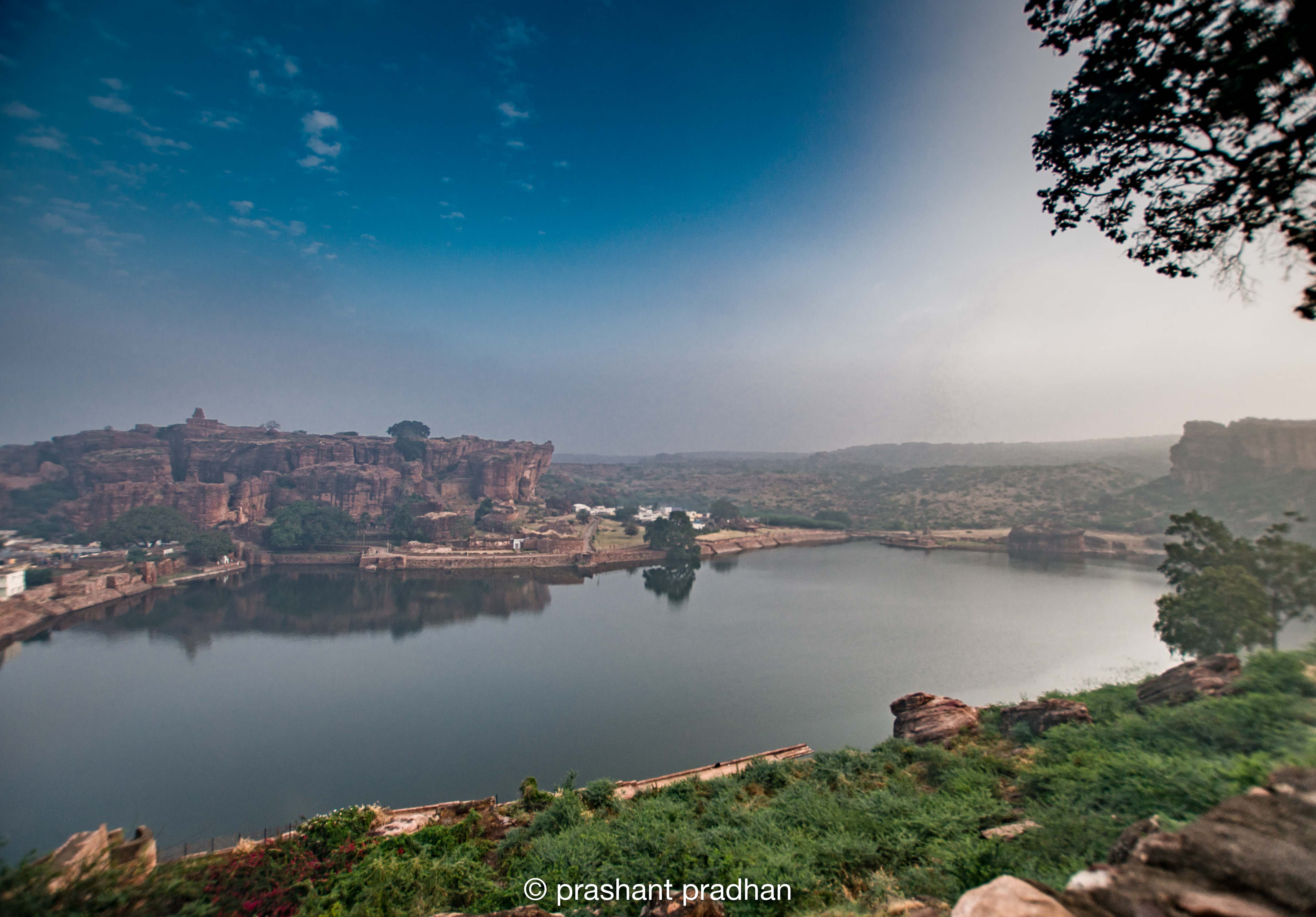
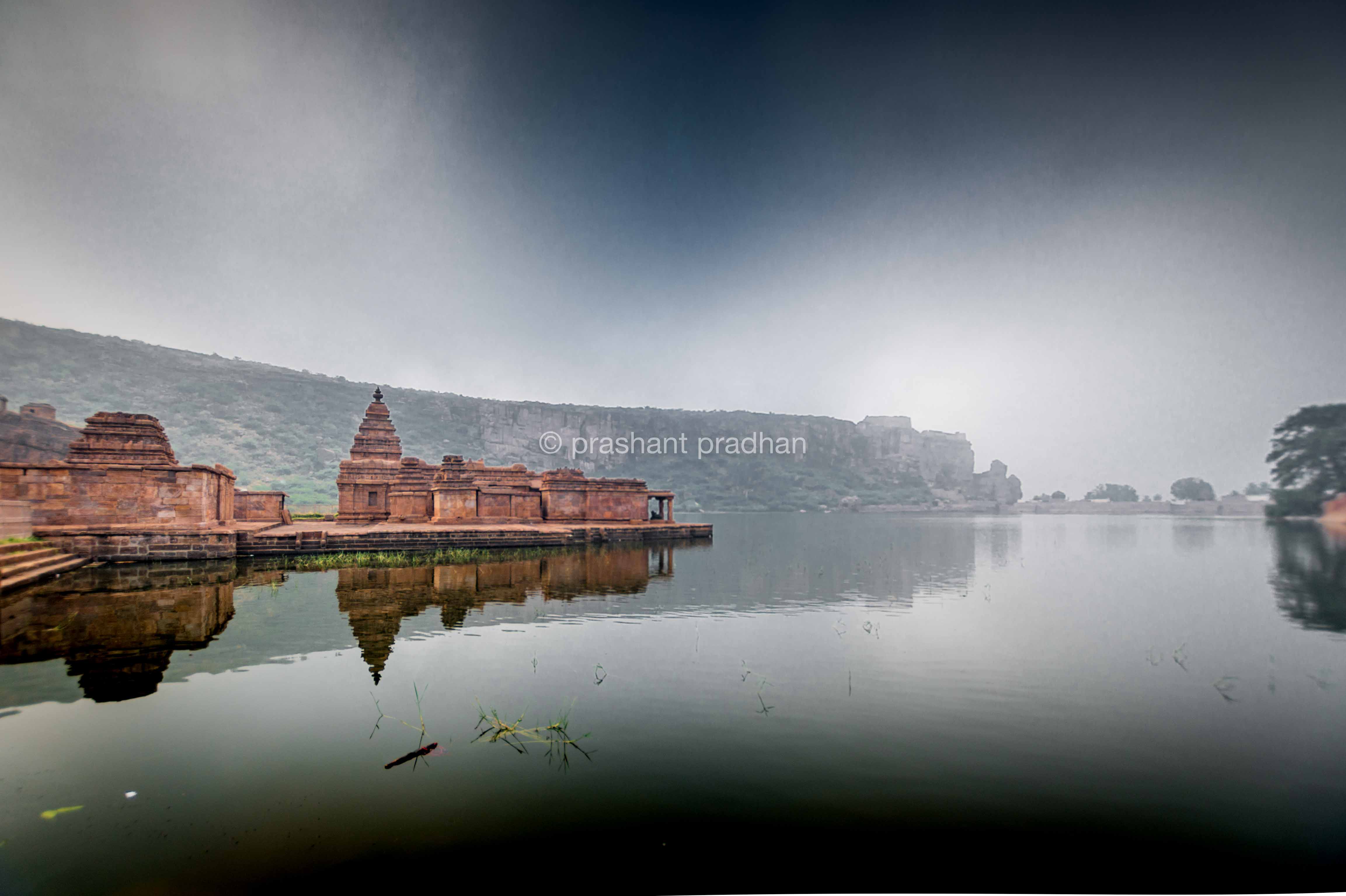
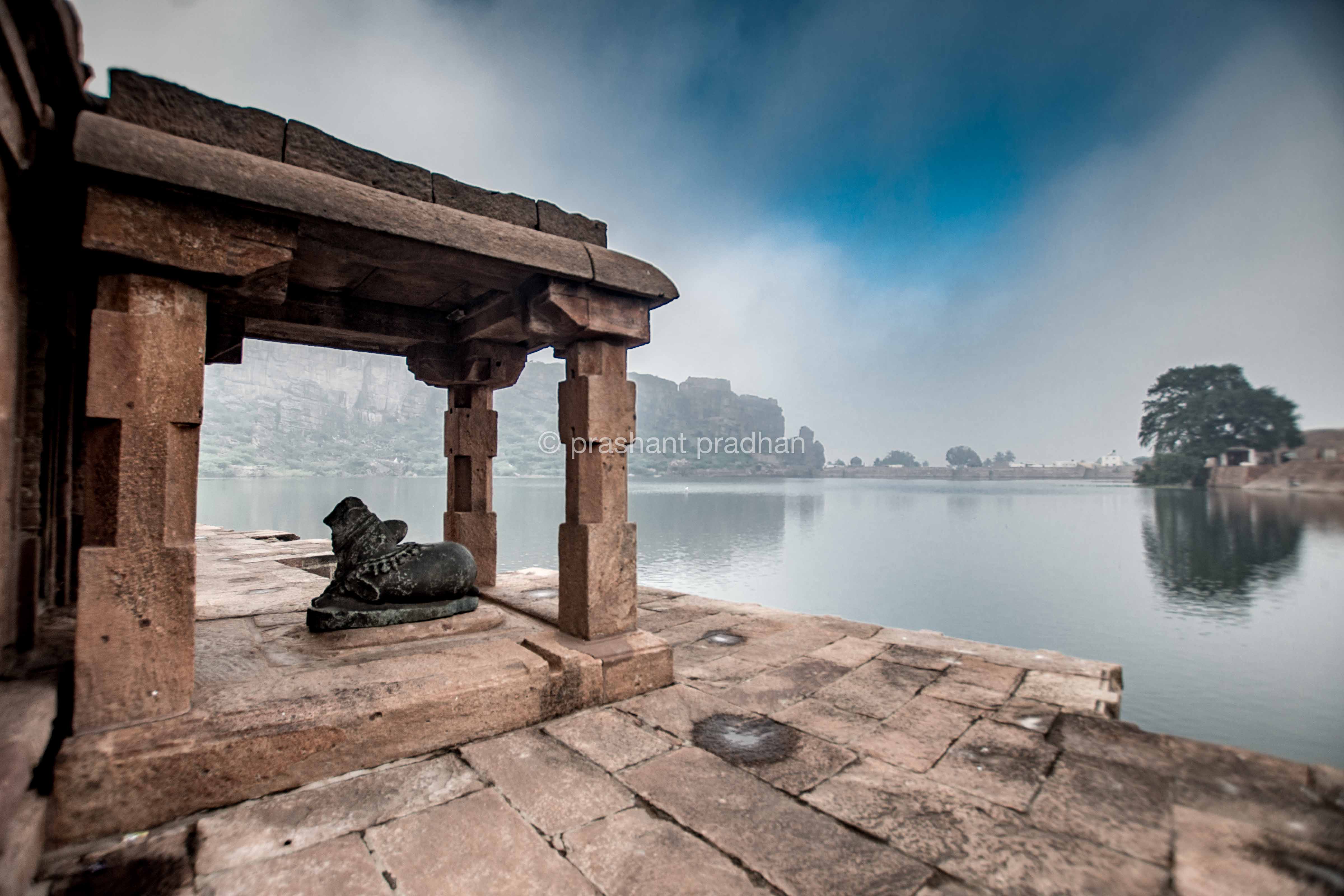
Badami
Hampi, Karnataka 583239, India