Feb 18, 2020
Workshop on ‘Building in the Hills’ with BMS School of Architecture, Bengaluru
Form Follows Context
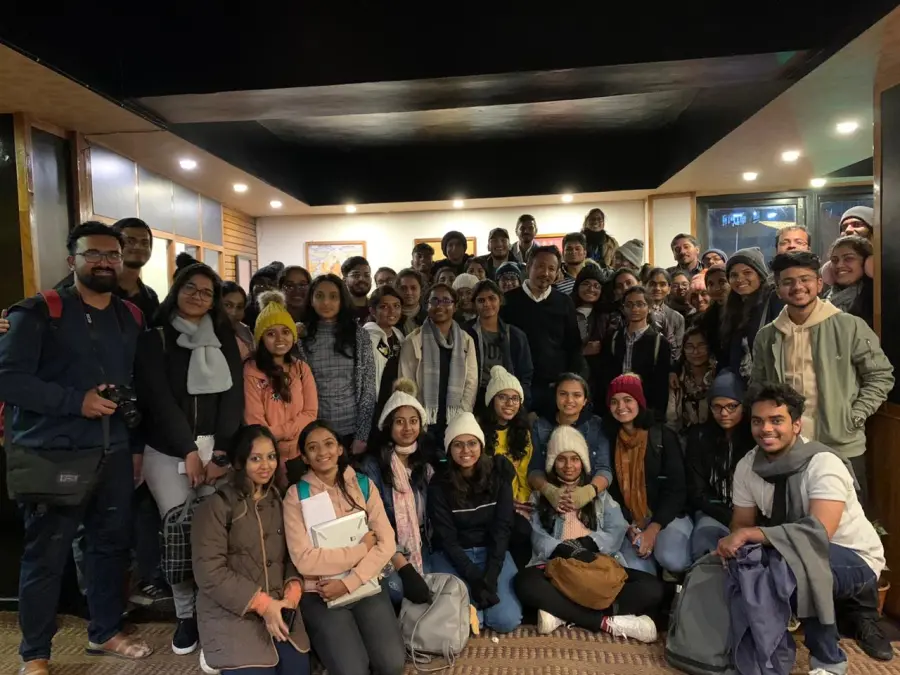
On the 18th and 19th of February 2020, I was asked to conduct a workshop for around 55 students of the BMS School of Architecture from Bengaluru. This was organised by Inkuisitive (http://www.inkuisitive.in), an organisation based in Mumbai who asked me to conduct this event over a 2 day period. They initially wanted this to be “hands-on” with materials, but considering the size of the group, we decided to make it a design workshop.
“Inkuisitive, is an organisation that specialises in architectural design and experiential learning tours. They conduct tours across India and recently have started venturing abroad too. The main idea behind Inkuisitive is experiential learning while on tours. So workshops are conducted to better aid the learning process and give an enriching study tour than just visiting places of interest.“
The participants of the workshop were 55 students from first, second and third year accompanied by 2 tutors – Ar.Rejin Cherian and Ar. Binny Johnson and Vaishak, an organiser from Inkuisitive. The workshop was an designed to explore how geography, climate and most importantly, topography impacts the form of the building. The primary question being, – ‘How does building in the hills differ from building on a flat terrain?’ These differences can be seen as challenges that are impediments or, advantages that enhance the design.
Outline: All 55 students were required to take an ongoing project of Prashant Pradhan Architects and work on design concept solutions for the same site by factoring all the constraints that arise from the context. The site was shown to them but they were be asked to develop the form and program on their own. They were divided into groups that decided autonomously how they would like to approach the design.
Outcome : Students were exposed to these specific concepts:
Design as a response to the context
Understanding the role of topography in the design process
How issues of orientation and sun paths along with light / ventilation and views are addressed
Programmatic distribution of functions within the form
Designing in section
How designing is not over till the project is built.
Requirements: Basic sketch books and tracing paper were needed in order to work on the different concepts.
The students were required to carry laptops that were CAD / Sketchup / Photoshop enabled so they could develop conceptual designs based on that.
They were furnished with site details with immediate context comprising of contextual data in the form of – site plan / section / 3D in sketchup / photographs, site with surrounding buildings and slopes.
The Workshop
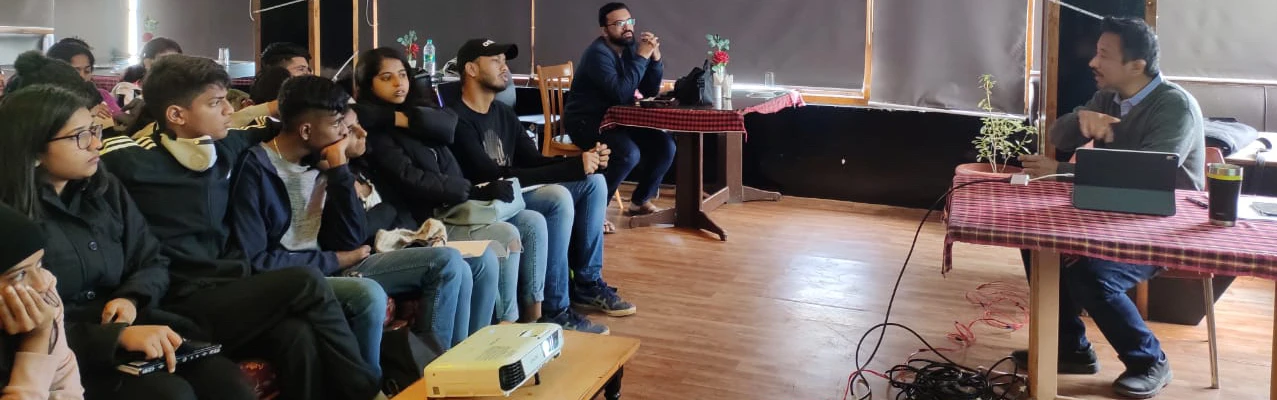
The workshop was conducted in the Loft – a 3BHK penthouse, designed by Prashant Pradhan Architects and all meetings / presentations took place in the main living area. It was spread out over 2 days and split into morning and evening sessions.
Day 1
The workshop commenced with an introduction and orientation where all the 55 students were split into six groups of nine. The tutors and the coordinator were requested to help organise the students and help interpret the content and intent of the workshop to the students.
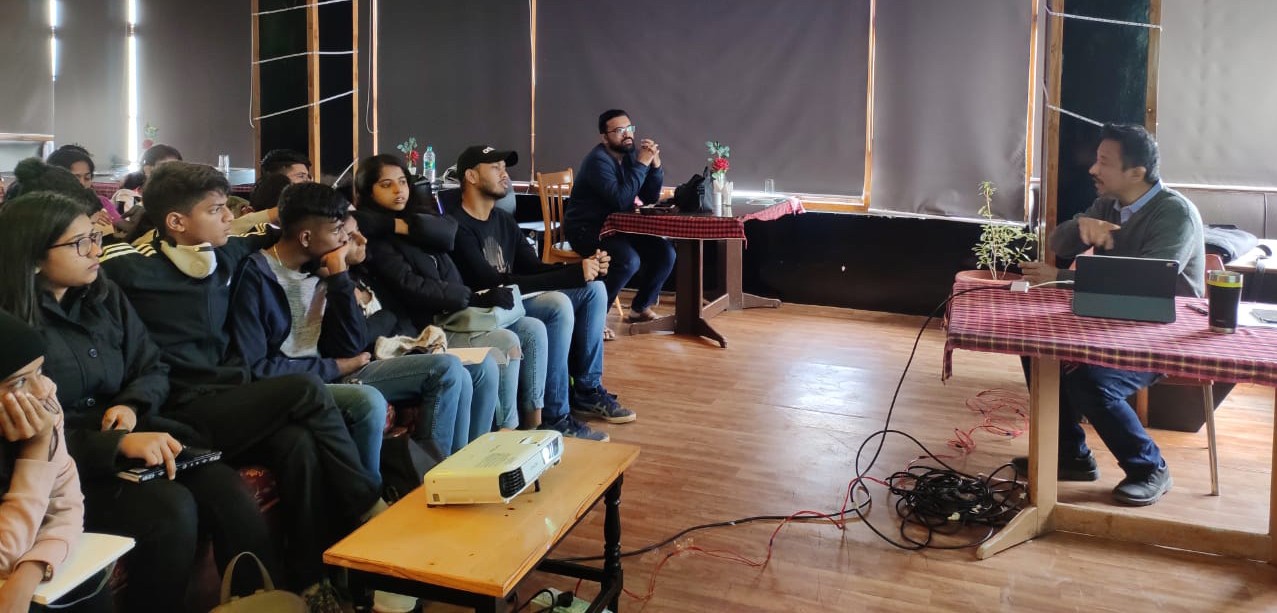
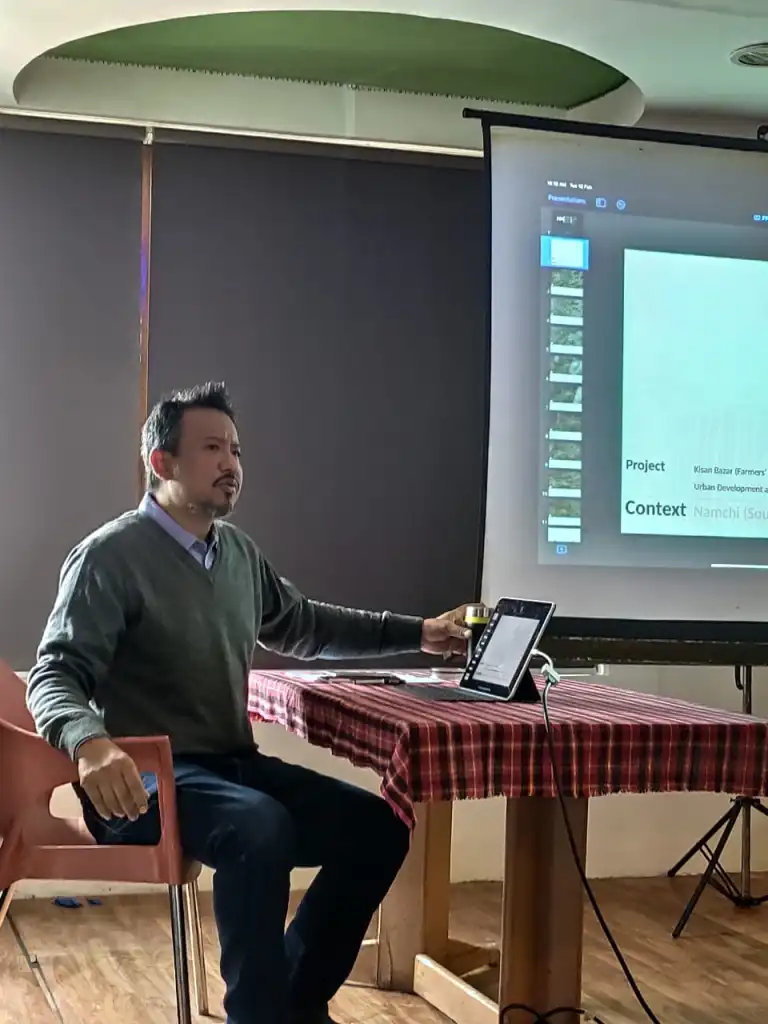
This was followed by a lecture by Prashant Pradhan on Form Follows Context – – works of the practice PPA
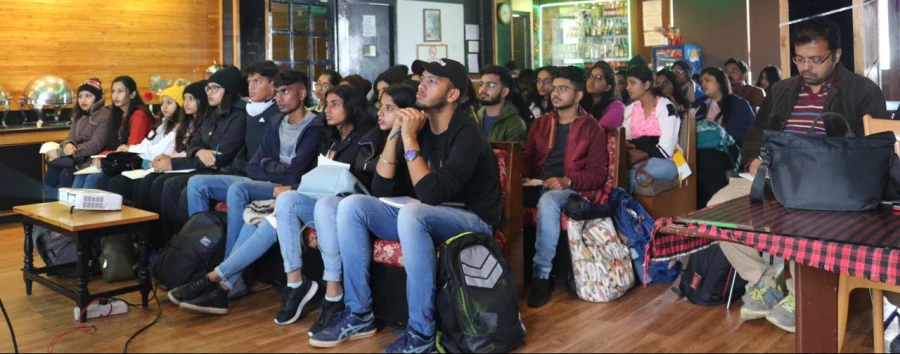
Site visit – understand clues from the site – views, slope, vegetation, match site- plan to the physical site, orientation, physical features, immediate surrounding context
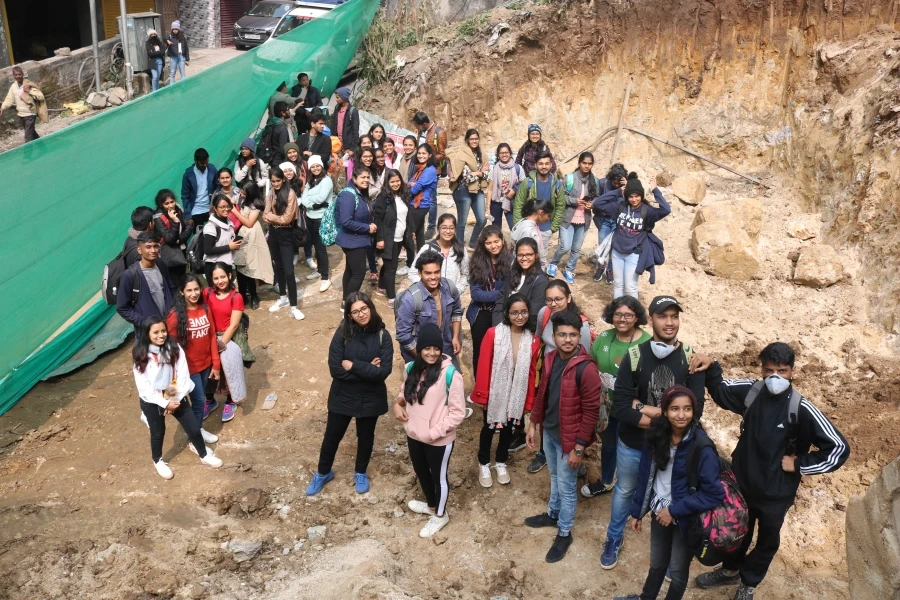
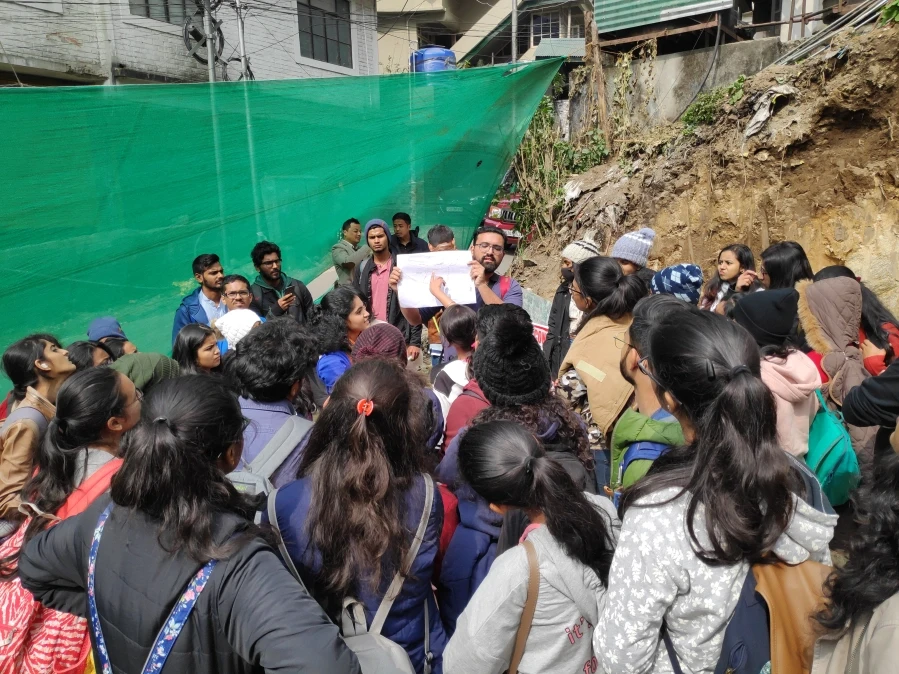
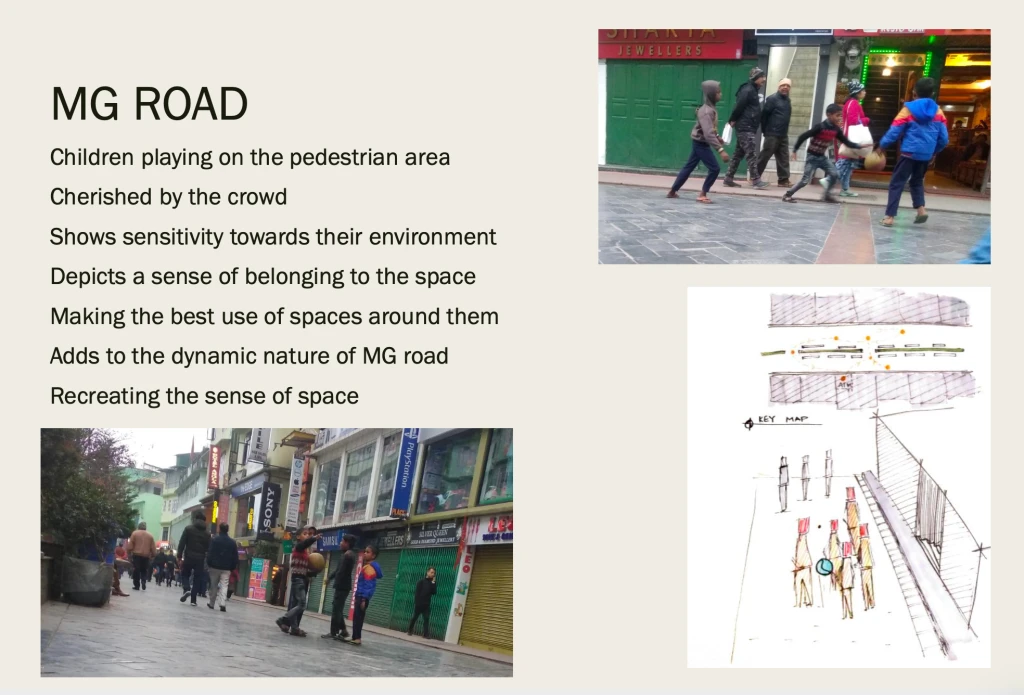
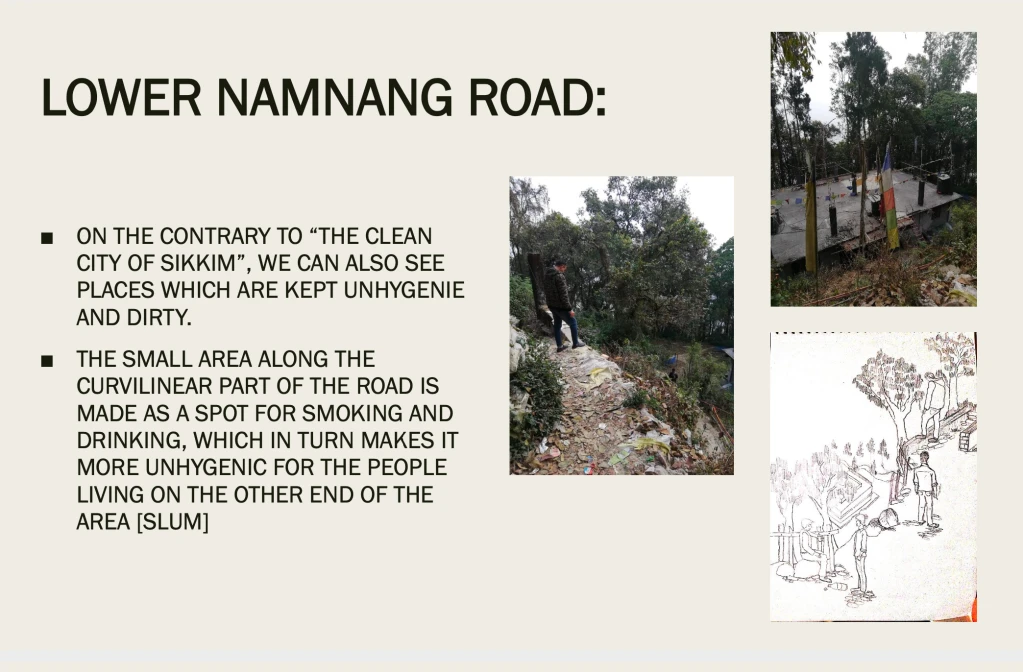
Walk through – MG Marg / Namnang Walkways / Namgyal Institute of Tibetology, Understanding the Urban context of the site vis-à-vis Gangtok
Afternoon
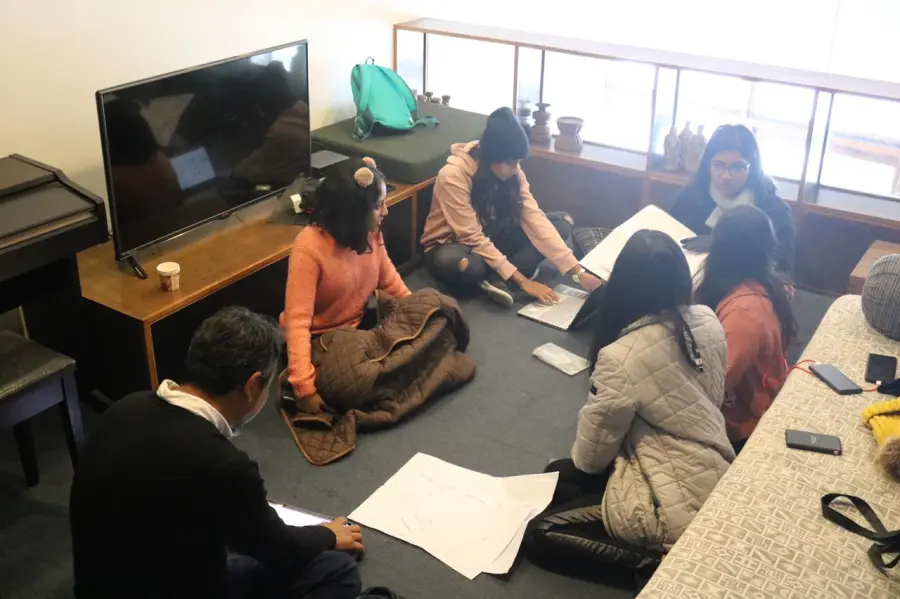
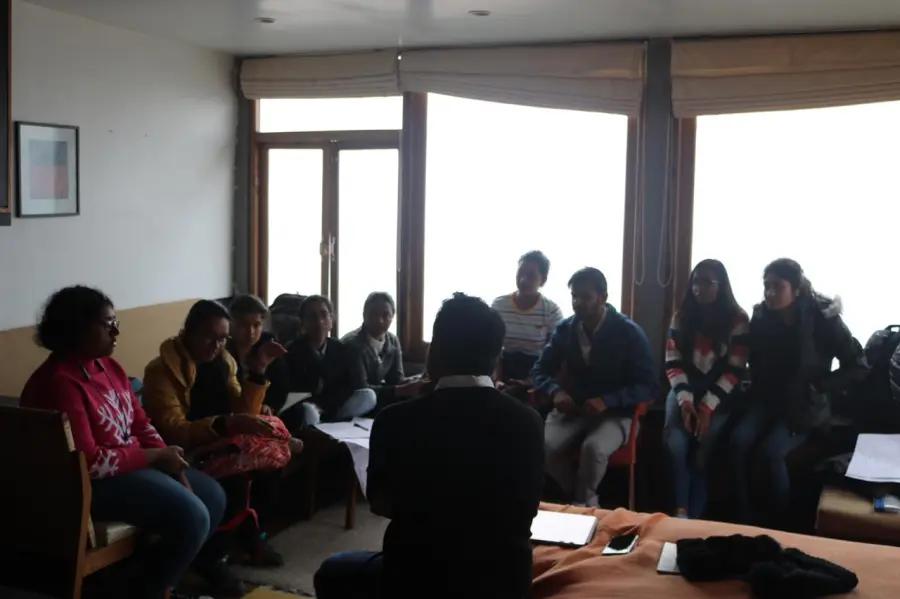
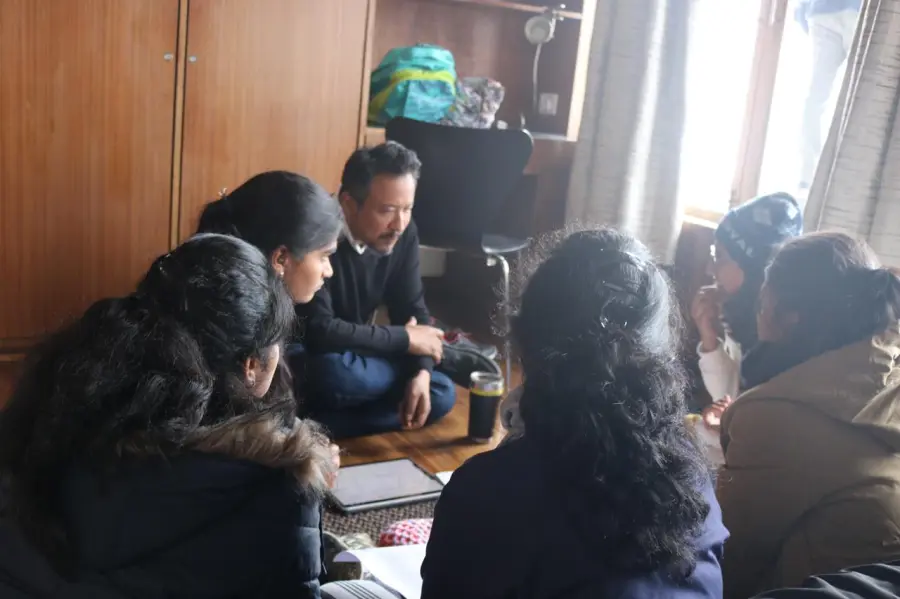
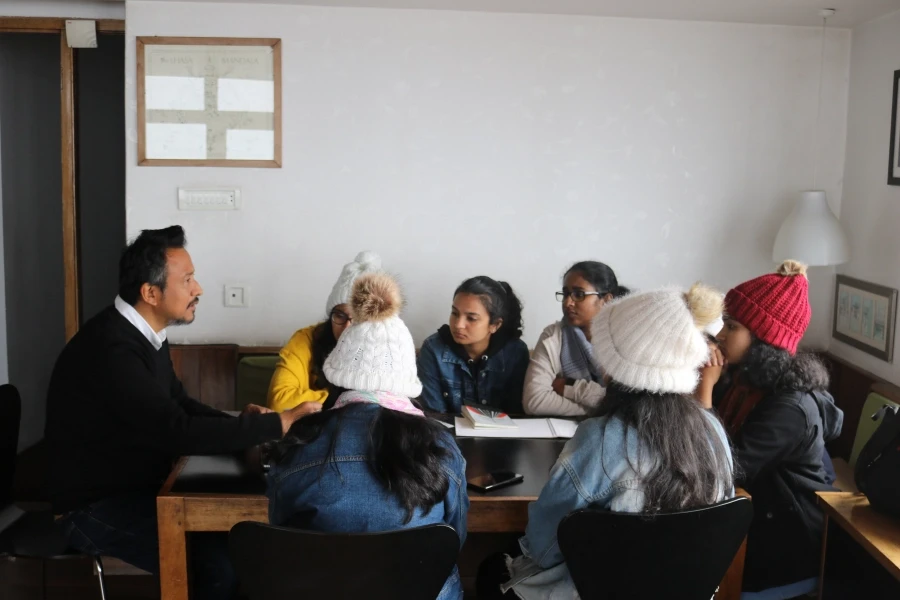
Site analysis: Topography / Sun path analysis & orientation / Urban programmatic analysis
Students worked on making 3D models and sections and understanding the site
Develop form based on:
Government norms / Site analysis / case studies and ways in which potentials can be explored
They were asked to develop a concept for the form and layout (what is the building trying to be and how has this been informed by the analysis) They were also asked to come up with potential programs – what would be the most appropriate program for the site
Day 2
The next day started with an interim review of the progress made on the day before where students had to work on the design exercise adapting function to the form developed
The culmination of the workshop was the final presentation and review – discuss on how the outcome of the workshop can be taken forward.
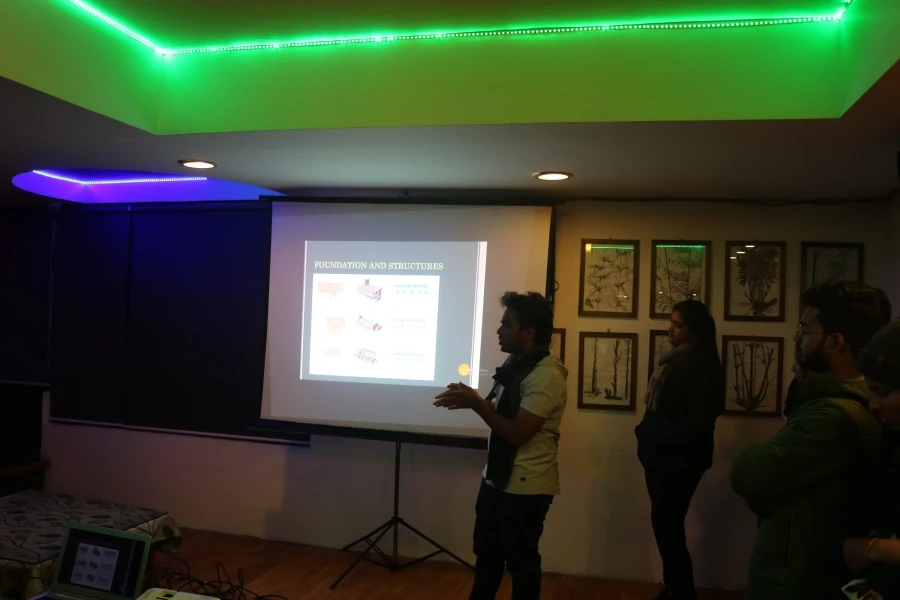
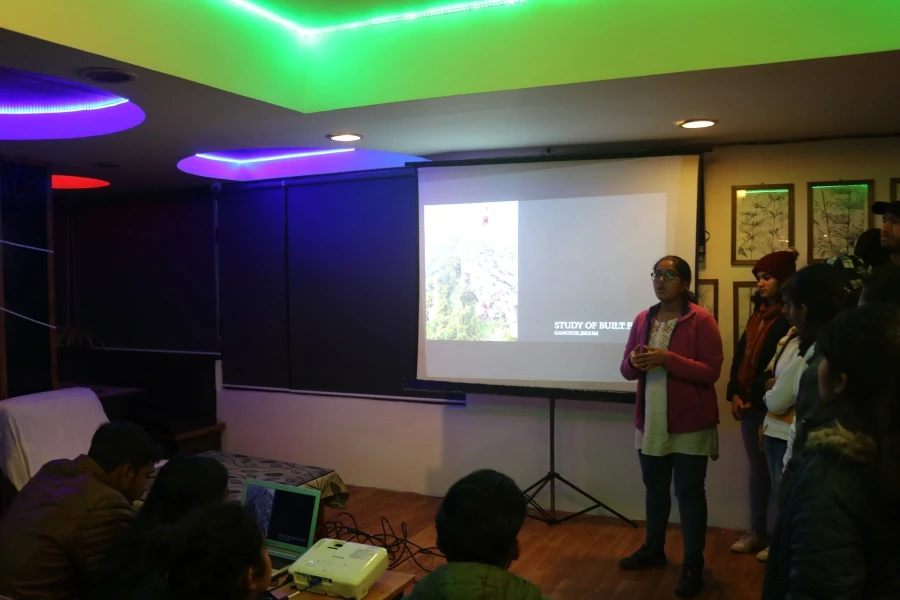
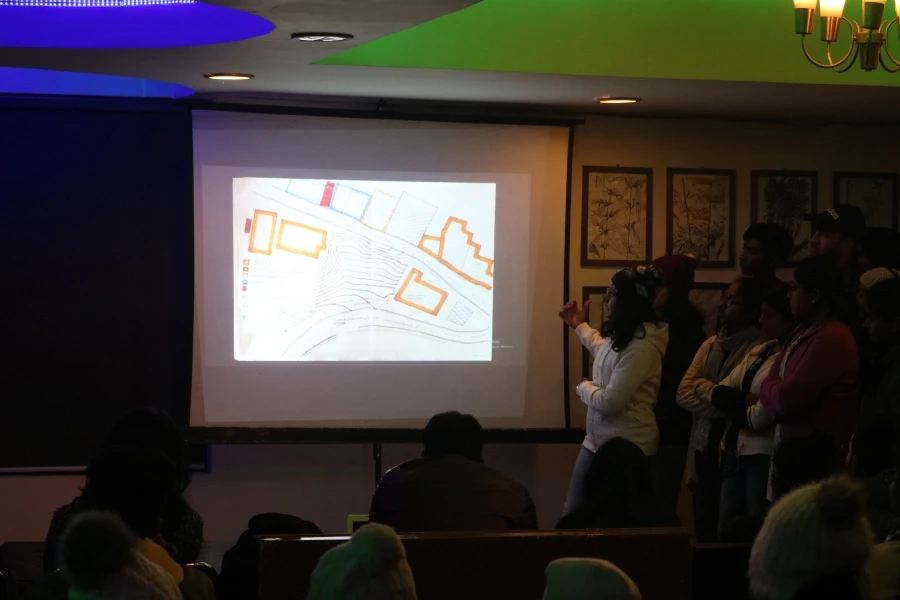
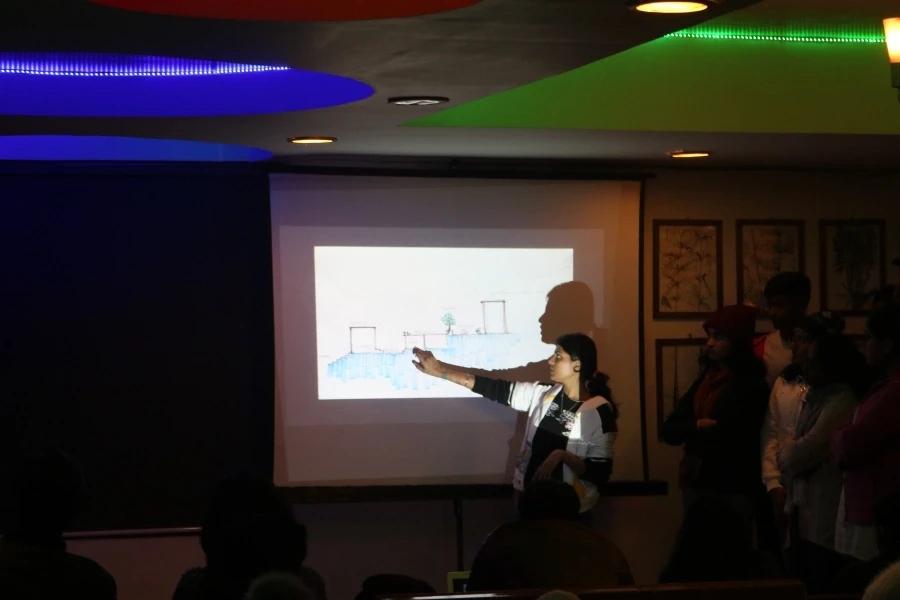
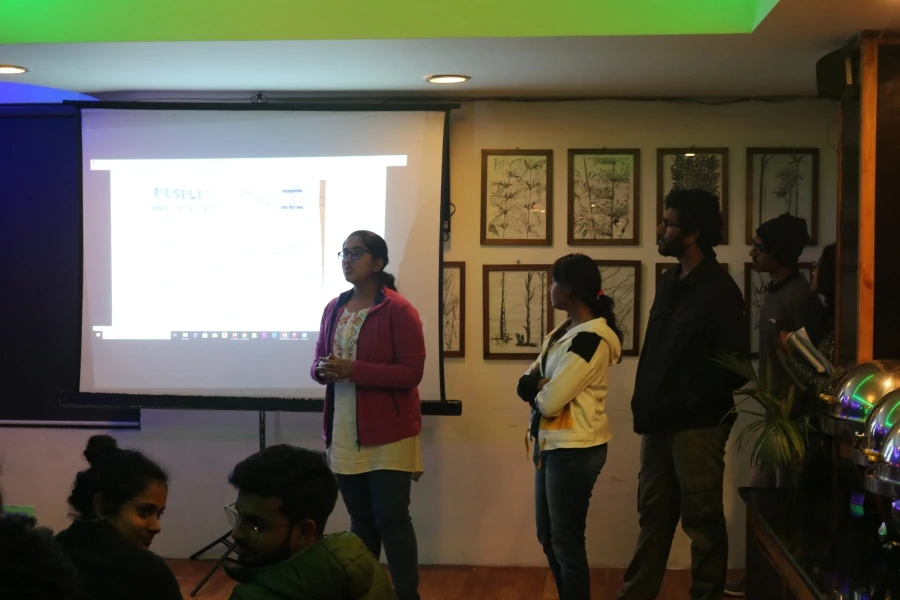
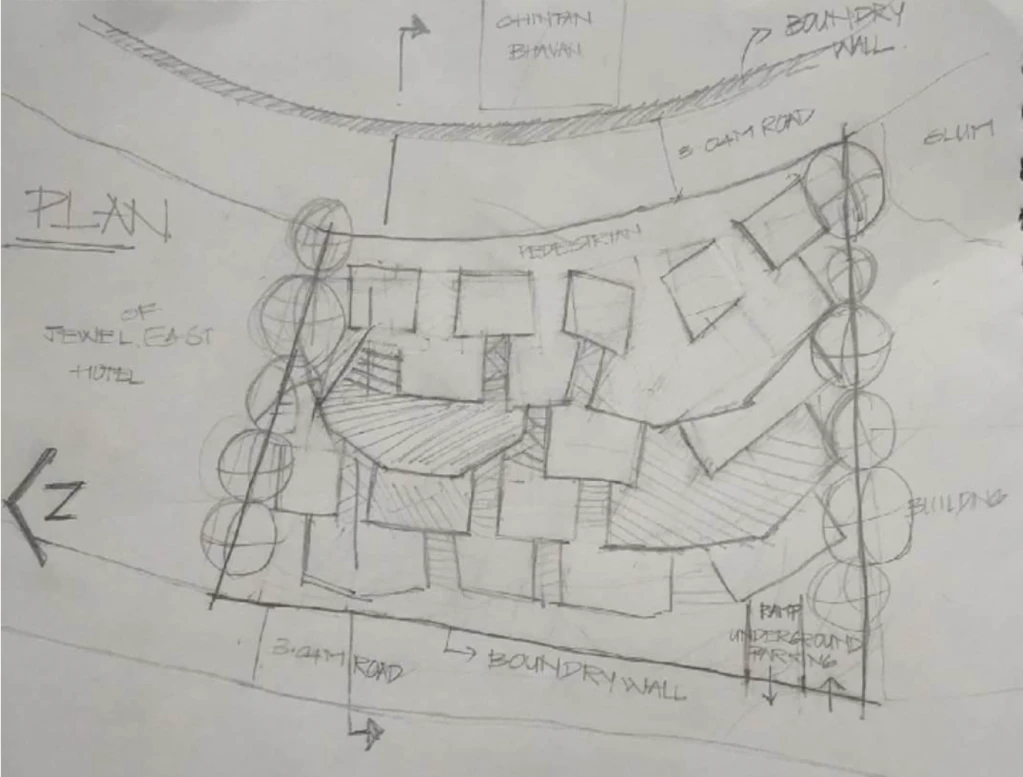
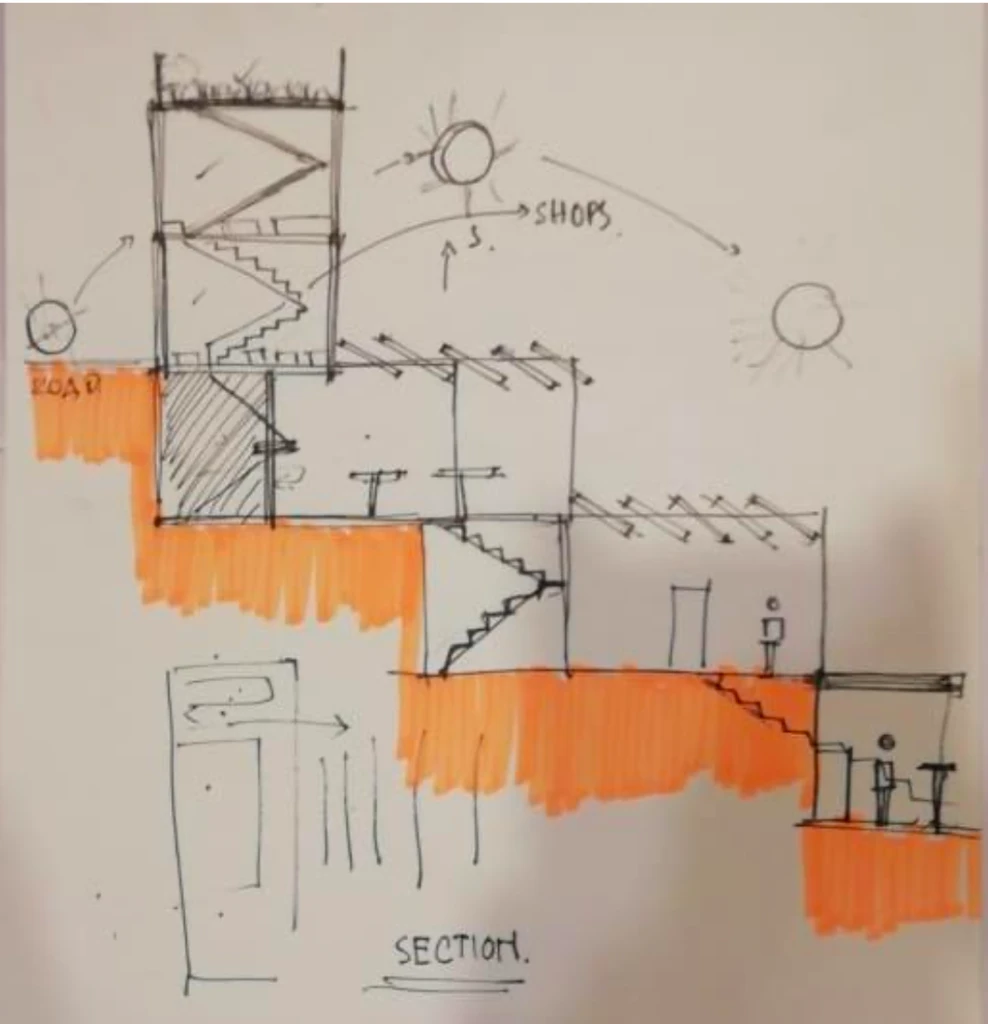
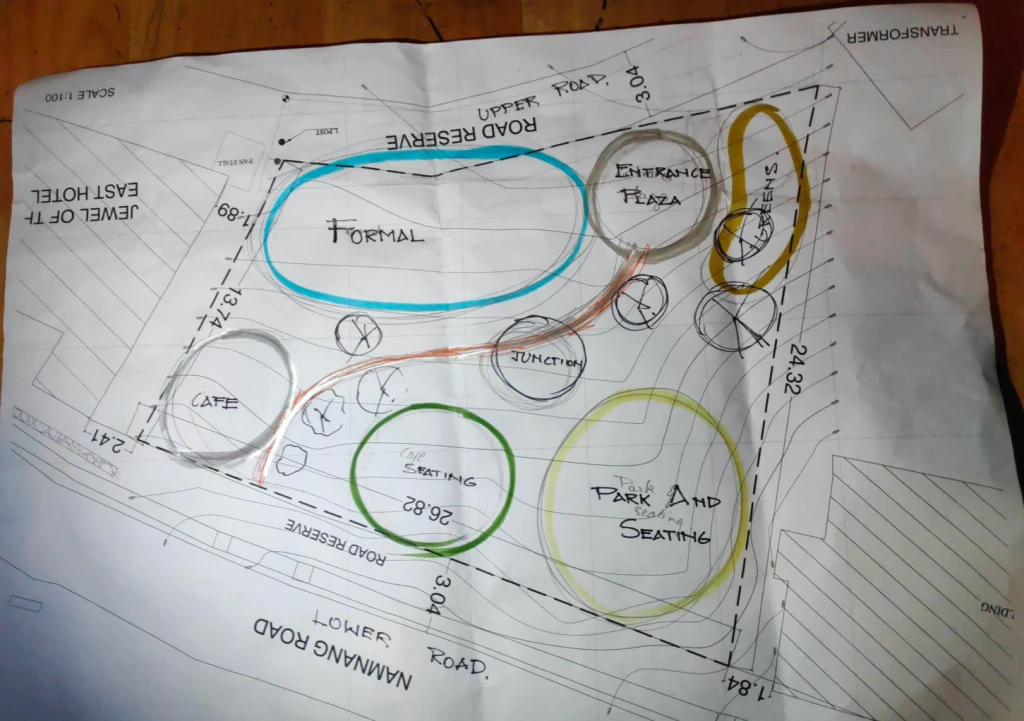
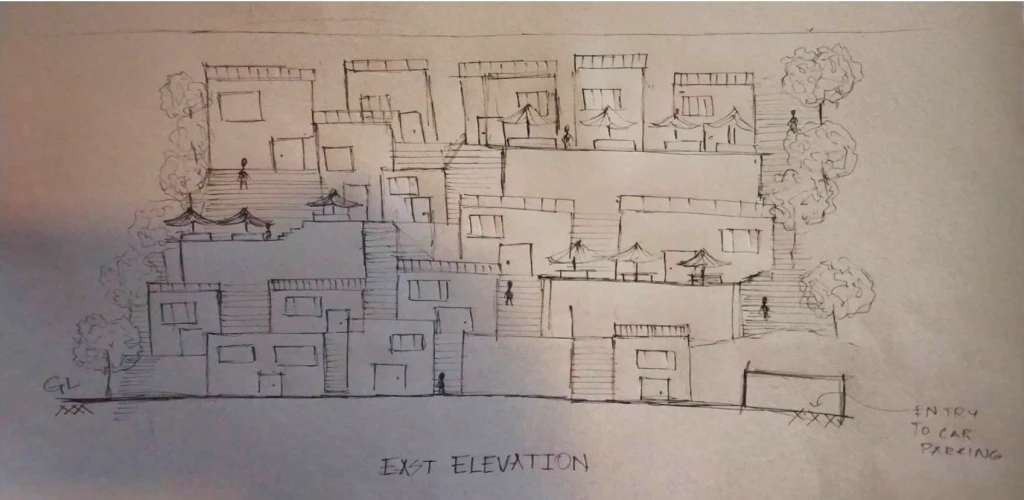
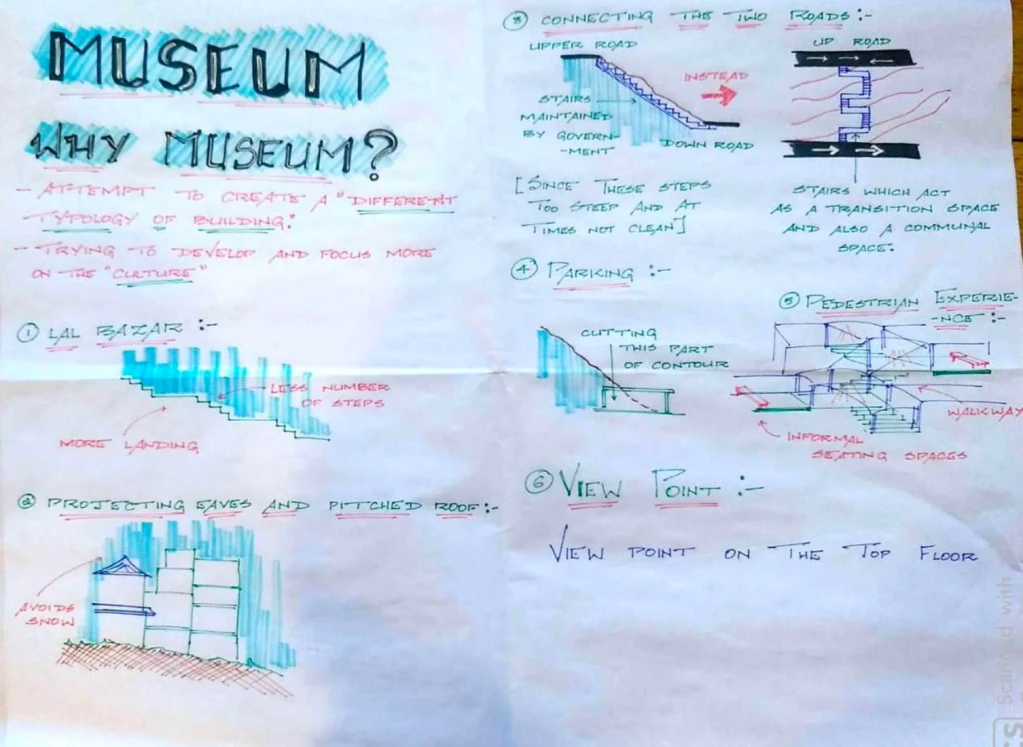
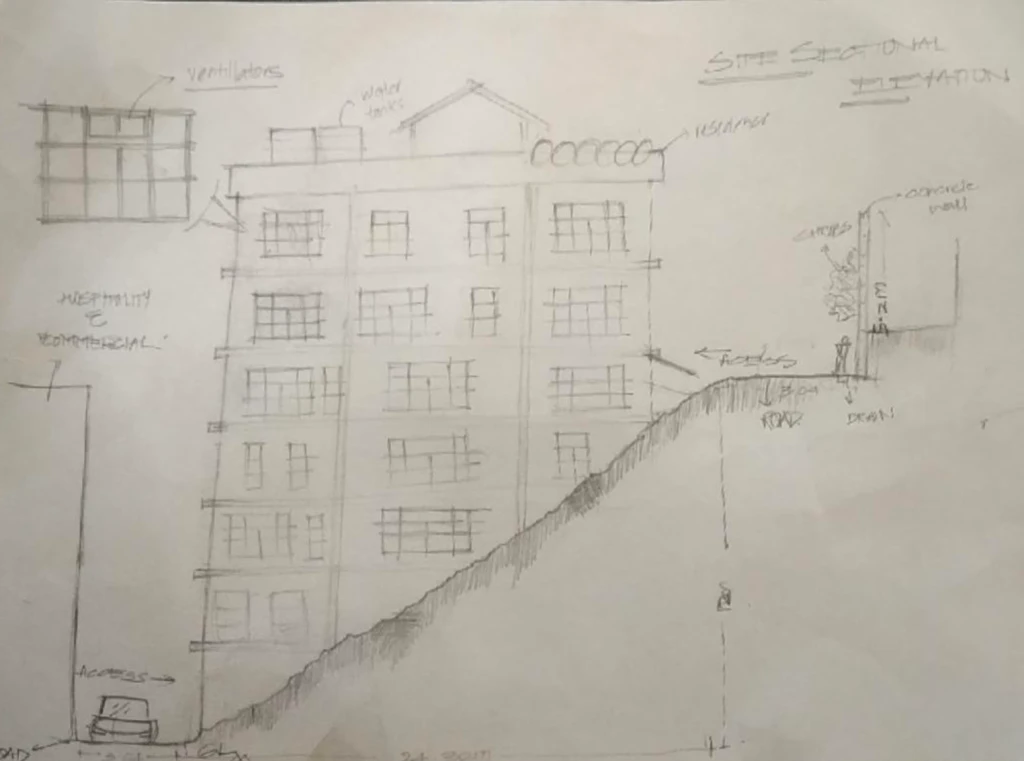
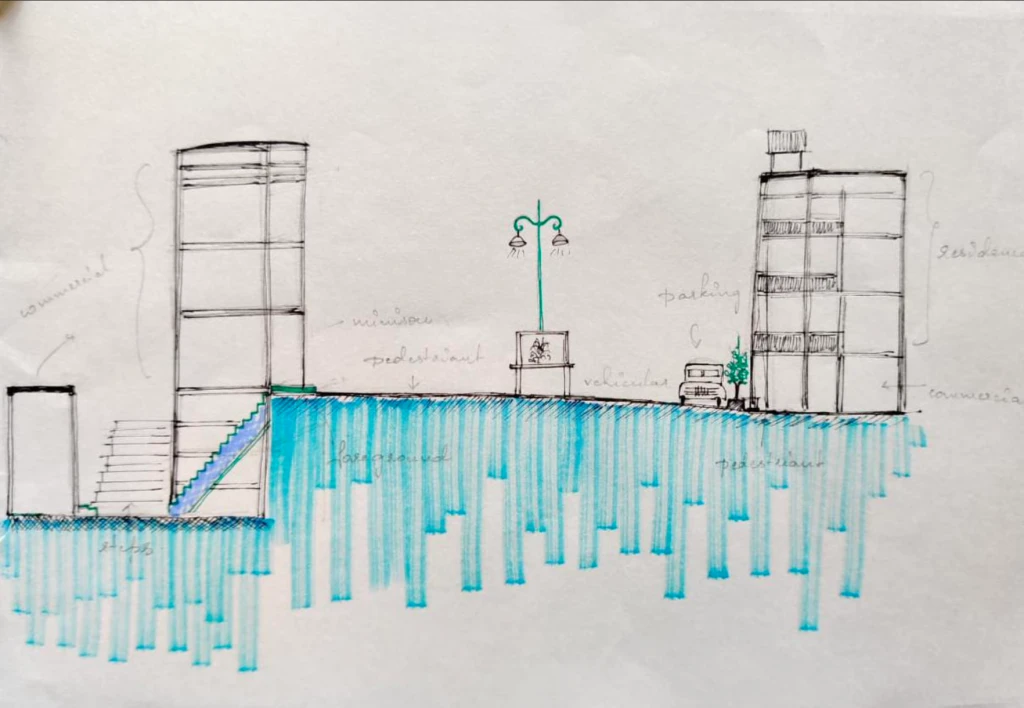
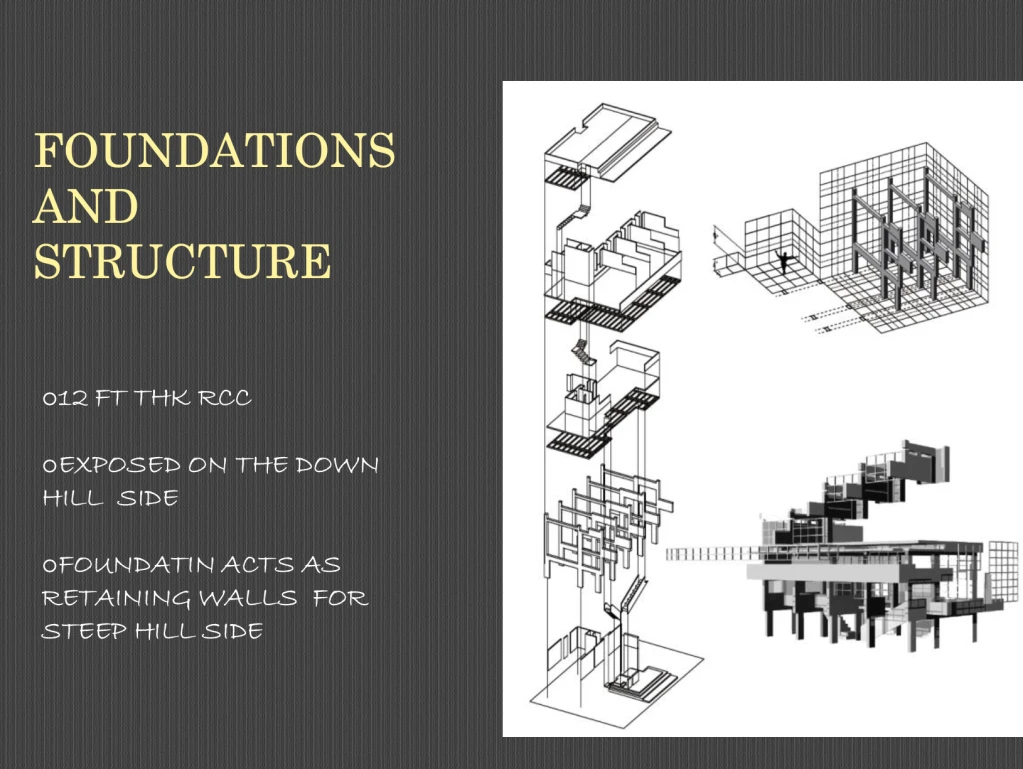
Students Work – Below you will find a selection of the work that the students came up with in the course of the workshop.